


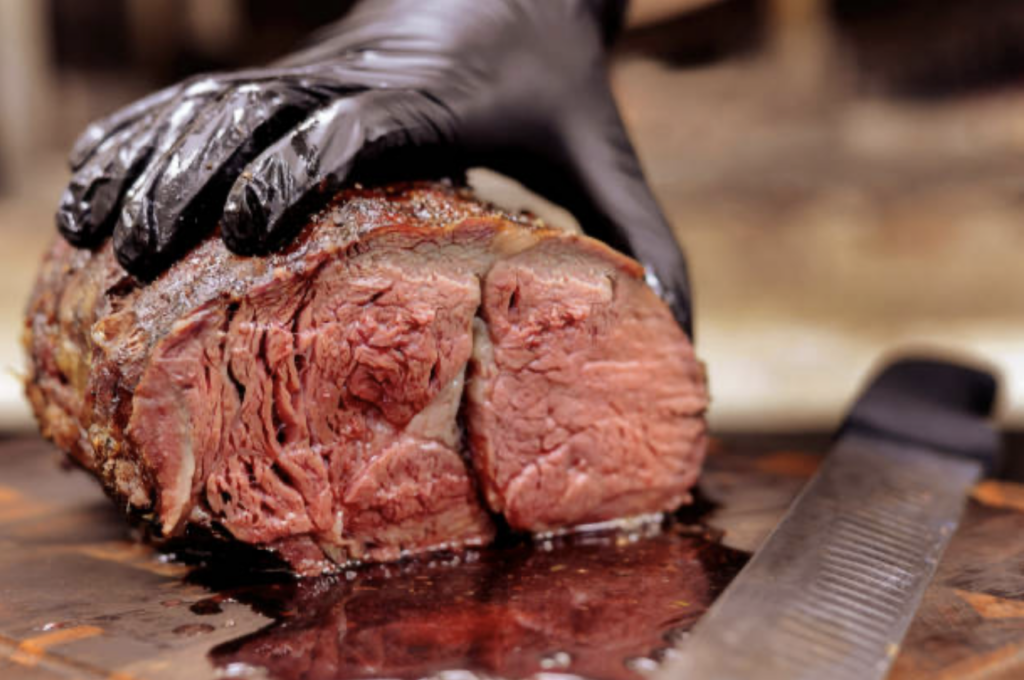
A new line of 3-D printed “meat” products is arriving on US supermarket shelves with a name that promises perfection. What it doesn’t promise is transparency about how it’s made or the toxic ingredients lurking inside.
Your local grocery store may soon be stocking something called “Perfecta Premium Plant-Based Meat.” The packaging looks sleek. The words “Filet Mignon” and “Chicken Breast” appear in confident, premium typography. The marketing promises a “complete and satisfying culinary experience.”
What the label doesn’t say is that these products are manufactured using industrial 3D printers, and that the ingredient list reads less like food and more like a chemistry experiment.
How to Tell You’re Looking at 3D-Printed “Meat”
Here’s your field guide. If you see any of these signs, you’re likely holding a 3D-printed product in disguise.
1. Look for the Brand Name “Perfecta”
This is the flagship retail brand from Steakholder Foods, an Israeli food-tech company listed on the Nasdaq. The company’s entire business model is built on 3D-printing technology for plant-based meat production.
The product lineup includes:
- Plant-Based Marbled Steak
- Plant-Based Filet Mignon
- Plant-Based Chicken Breast
- Plant-Based Salmon Patties
- Plant-Based White Fish Patties
If you see any of these products with the Perfecta name, you’re looking at a 3D-printed product. The label just won’t tell you that.

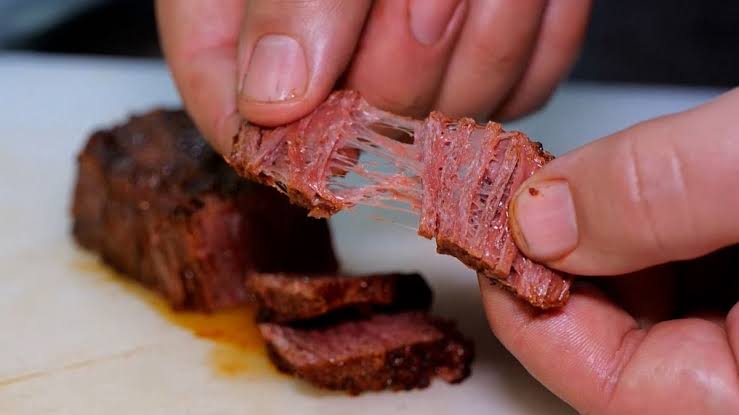
2. Check for These Telltale Ingredients
The ingredient list is where the industrial reality starts to show. According to product listings, the Plant-Based Marbled Steak contains:
Water, Soy Flour, Rapeseed Oil, Coconut Oil, Methylcellulose, Natural Flavoring, Salt, Beetroot Powder, Modified Maize Starch, Food Coloring (Caramel), Xanthan Gum, Locust Bean Gum, Emulsifier (Sunflower Lecithin)
Here’s what to watch for:
- Methylcellulose: A gelling and binding agent that’s essentially a laxative. It’s in every Perfecta product.
- Industrial seed oils: Rapeseed (canola) oil is a highly processed industrial product.
- Gums: Xanthan gum and locust bean gum are thickeners that can cause digestive distress.
- Beetroot powder: Used for coloring—because without it, this stuff wouldn’t look like food.
If your “premium filet mignon” has methylcellulose as a primary ingredient, you’re not buying meat. You’re buying chemistry.

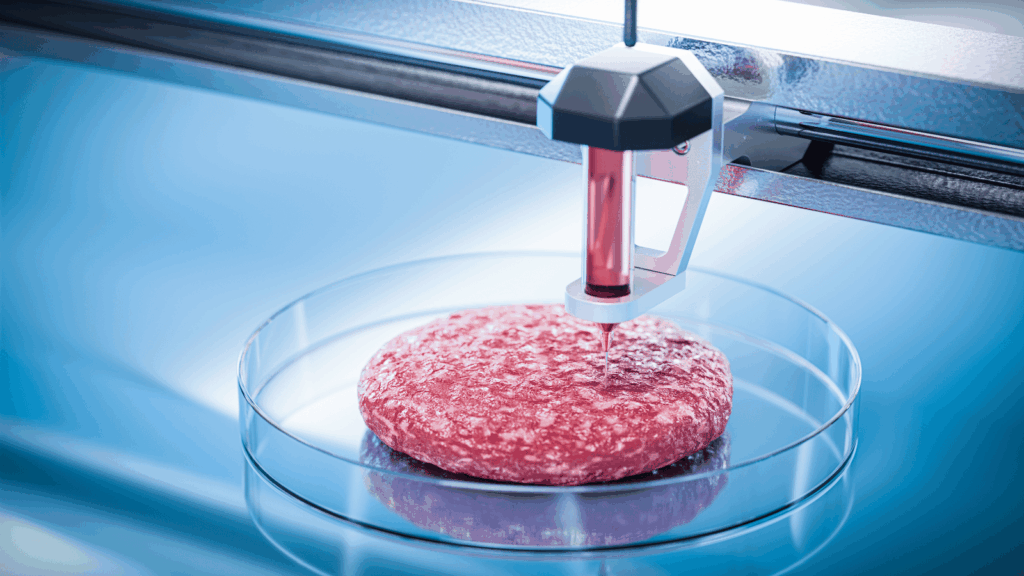
3. Look for “Plant-Based” Without “3D-Printed”
This is the giveaway. The packaging clearly states “Premium Plant-Based Meat.” It does not state that these products are 3D-printed.
Food labeling regulations in the US require a statement of identity, an ingredient list, and allergen information. But there is no universal requirement to disclose manufacturing techniques on packaging.
The company is exploiting this loophole. They’re proud of their 3D printers in press releases—but silent about them on the shelf.
4. Check the Nutrition Panel for Absurdly Low Protein
Real salmon has roughly 20 grams of protein per 100 grams. Perfecta’s “salmon” patties contain about 8 grams per 100 grams—less than half.
Each 50g patty contains just 4 grams of protein. That’s not a protein source. That’s a garnish.
The product also lacks the omega-3 fatty acids (DHA and EPA) that make real salmon valuable, along with vitamin D, phosphorus, and B vitamins.

5. Know Where They’re Hiding
The products are being distributed through KeHE Distributors, which specializes in natural and specialty food channels.
That means you’re most likely to find them in:
- Natural food stores
- Specialty grocers
- Regional chains in the Northeast
They’re not in every Walmart or Kroger—yet. But the company has stated that the Northeast launch is “just the beginning,” with nationwide expansion planned.
6. Watch for These Specific Product Names
The deception is in the naming. These products are called “Filet Mignon” and “Marbled Steak”—names that evoke premium animal products. They’re positioned as “premium” and “next-generation”.
But here’s what they actually are: soy flour and rapeseed oil, extruded through a machine and held together with laxatives, sold at premium prices.
The Plant-Based Filet Mignon is listed at $9.99**. The Marbled Steak at **$9.39. That’s real meat pricing for a product that’s nutritionally inferior to the real thing.
The Deception Is the Point
The company’s own website describes its meat as “produced using advanced 3D printing technology”. They call their technology “revolutionary.” They’re proud of it.
So why isn’t it on the label?
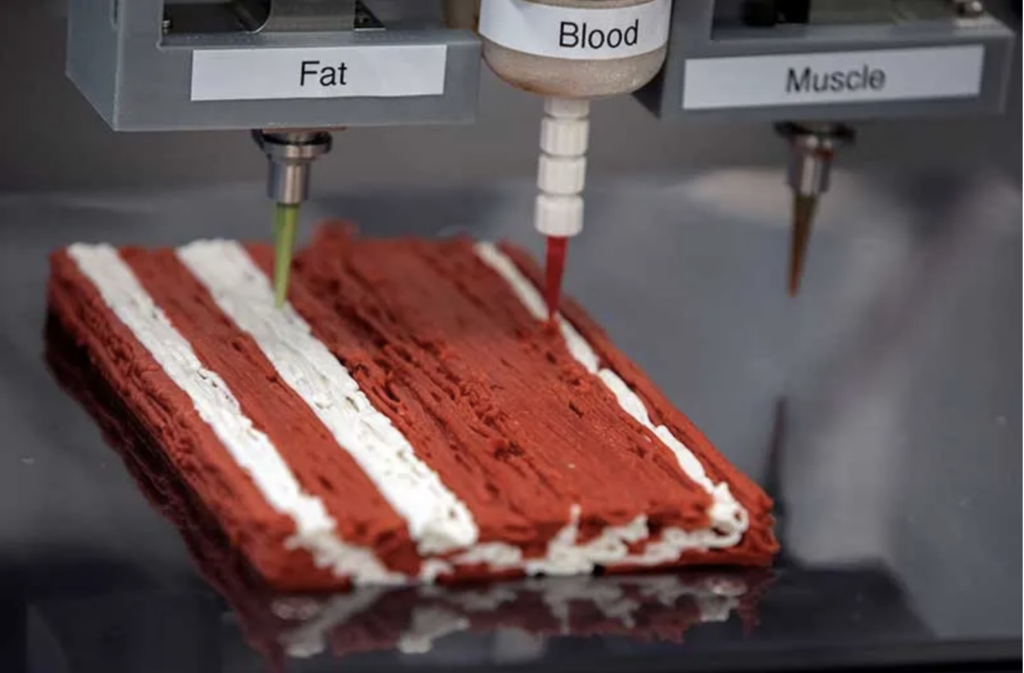
Because if it were, you might think twice. You might ask why your “premium filet mignon” was extruded layer-by-layer from a machine that also has a capacity of up to 420kg per hour.
You might ask why a product marketed as “premium” is made from the same industrial ingredients found in the cheapest ultra-processed foods.
You might realize that “plant-based” doesn’t mean “healthy.” It doesn’t mean “natural.” And it certainly doesn’t mean “premium.”
What You Can Do
Read the ingredient list. If it has methylcellulose, industrial seed oils, and multiple gums, put it back.
Look for what’s missing. If the packaging says “plant-based” but doesn’t say “3D-printed,” you’re being kept in the dark.
Check the protein content. If a product called “salmon” has 8g of protein per 100g, it’s not salmon. It’s not even a good imitation.
Ask the store. If you’re not sure whether a product is 3D-printed, ask the manager. If they don’t know, that’s a problem.
Spread the word. The only way this stops is if consumers demand transparency. The company is betting you won’t read the label. Prove them wrong.