


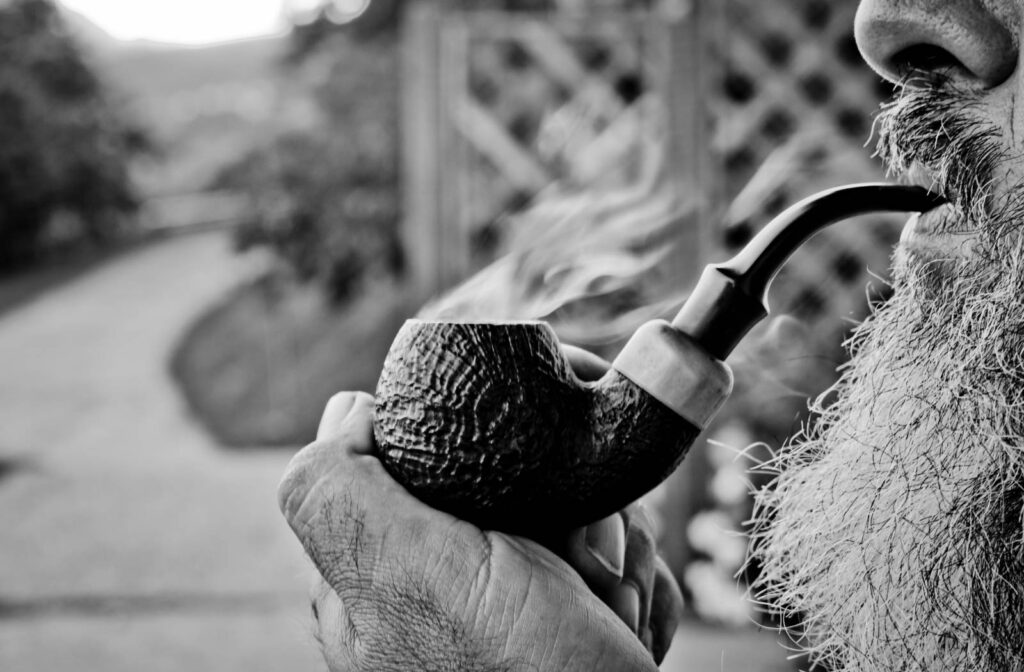
For most of the modern world, “tobacco” is synonymous with disease — lung cancer, addiction, and early death. The plant has been vilified for decades, and not without reason. Industrial cigarettes, packed with chemical additives and smoked compulsively, have become one of the biggest public health crises of all time. But what if the most demonized plant in the world was actually divine?
But according to a remarkable new study published in Frontiers in Pharmacology (“Tobacco Is the Chief Medicinal Plant in My Work: Therapeutic Uses of Tobacco in Peruvian Amazonian Medicine”), there’s another side to this ancient plant — a side that has been hidden, forgotten, and in some ways deliberately erased.
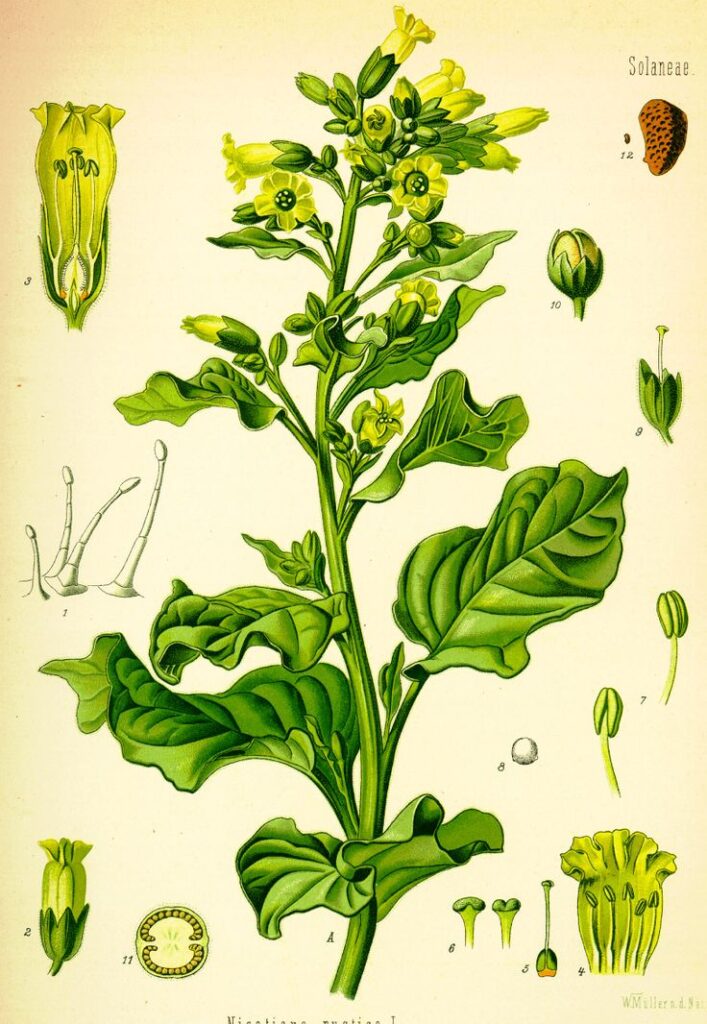
In the Peruvian Amazon, tobacco — specifically Nicotiana rustica, a much stronger, more medicinal species than the common Nicotiana tabacum used in cigarettes — is not a vice. It’s the master plant, the cornerstone of healing.

The “Master Plant” of the Amazon
Among Amazonian healers, known as maestros tabaqueros, tobacco is revered as both a medicine and a teacher. One healer interviewed for the study described tobacco as the “father of all plants,” the plant that teaches how to heal others.
It’s used not for pleasure, but for purification. The healer prepares the plant as a liquid extract, taken orally in precise doses. The experience is far from what we think of as smoking a cigarette — it’s often intense, leading to nausea, vomiting, and a profound altered state of consciousness.
Yet, within Amazonian medicine, this is considered part of the healing: a deep cleansing of the body and spirit.

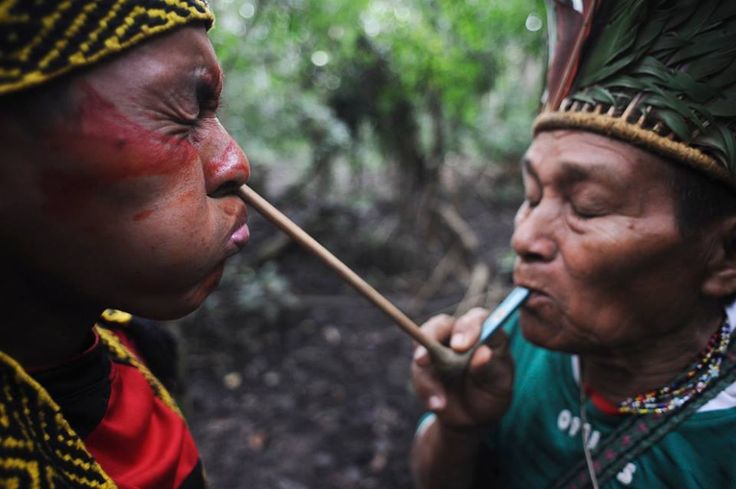
The maestro tabaquero in the study described using tobacco to treat what he called “problems of the mind,” respiratory ailments, parasites, gout, and even spiritual disturbances. He emphasized that only those properly trained — those who understand the plant’s power — should administer it.
The researchers, led by a clinical psychologist specializing in traditional Amazonian medicine, found that tobacco was used in ways that suggest deep pharmacological and psychological knowledge. It wasn’t just a folk cure; it was a complex system of healing rooted in centuries of observation and experience.
Colonization and the Corruption of a Sacred Plant
It’s hard not to see the tragic irony. Tobacco was once the sacred medicine of the Americas, used in ritual, prayer, and healing — and yet after European colonization, it was turned into one of humanity’s deadliest addictions.

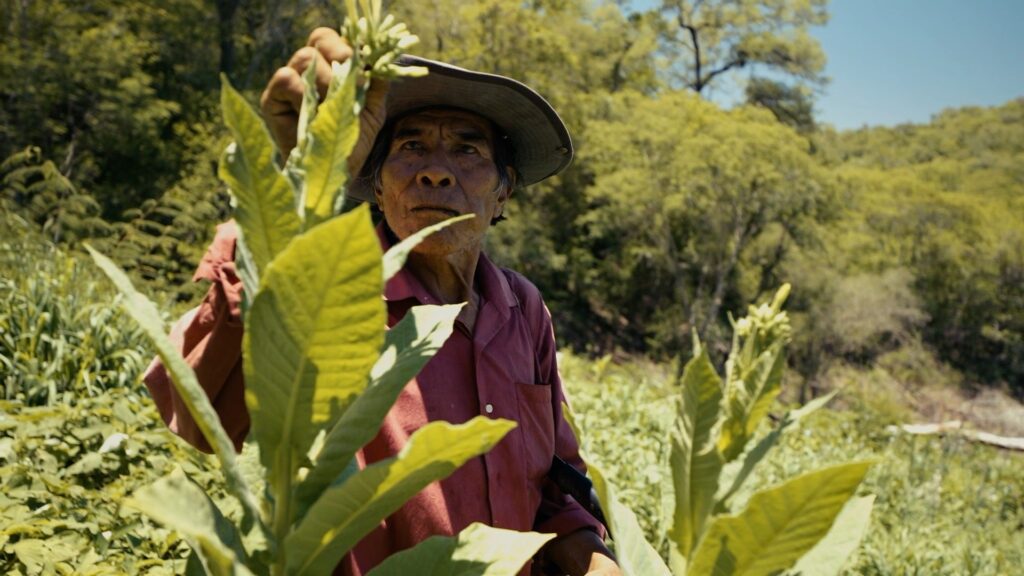
As Spanish and Portuguese traders carried the plant across the oceans in the 16th century, the sacred became profane. Westerners stripped away the ceremonial use, discarded the knowledge of dosing and preparation, and industrialized the plant into a mass-market product. What was once medicine became poison.
In the words of one anthropologist, the world “took the plant without the wisdom.”

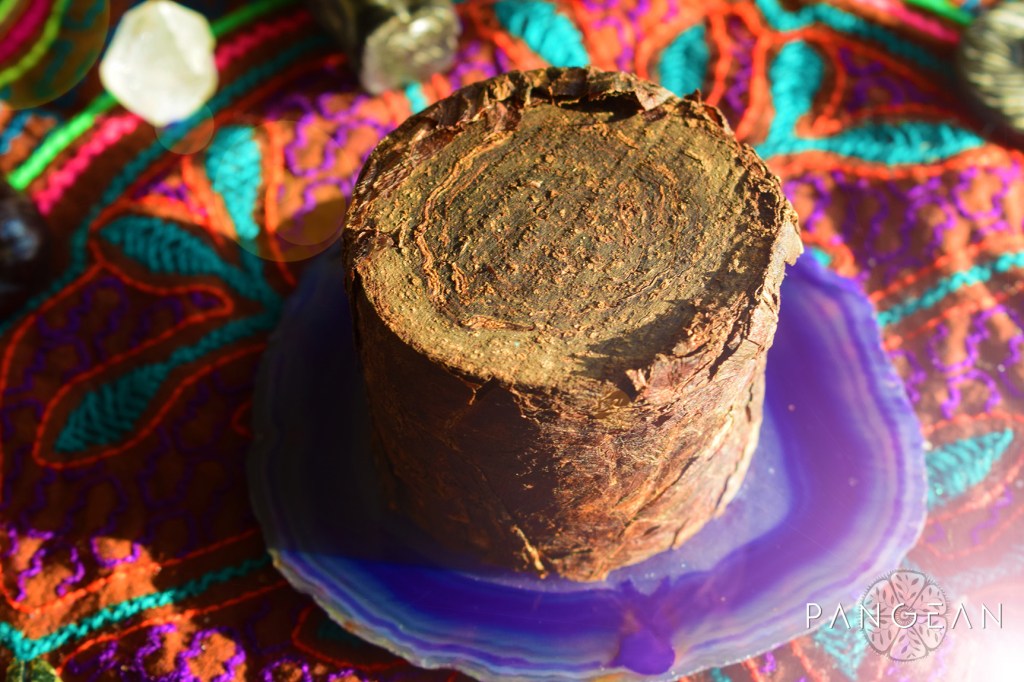
Tobacco as Plant Intelligence
In Amazonian traditions, tobacco isn’t merely pharmacological — it’s intelligent. Healers believe it communicates, instructs, and protects. They speak of “dietas,” where the healer isolates for weeks or months, consuming only specific plants and listening to the tobacco spirit for guidance.
Modern science might call this “psychotropic training” or “altered state learning,” but indigenous practitioners see it as communion with nature’s consciousness.
And interestingly, new research into psychedelic-assisted therapy is starting to echo this indigenous model. Substances like ayahuasca, psilocybin, and DMT — once demonized — are now being studied for their potential to treat depression, trauma, and addiction. Could tobacco, in its true form, be next?
The Forgotten Medicine of the Mind
The tabaquero interviewed in the study emphasized that tobacco clears “confusion” and “dark thoughts.” It is, in many ways, a medicine for the mind — something our modern psychiatric system sorely lacks.
Its cleansing properties, both physical and spiritual, are said to “align” the person’s energy and restore connection to self and nature. In this worldview, illness isn’t just physical; it’s also emotional and spiritual — disconnection, loss of balance, loss of meaning.
Contrast that with Western medicine’s narrow approach: treating symptoms, not causes; prescribing chemicals, not connection.
Rediscovering the Sacred Tobacco
This new research doesn’t suggest people start drinking tobacco juice or rolling ceremonial cigars. The maestrosthemselves warn that tobacco, when misused, can be dangerous — even lethal. But it does call into question our one-sided view of the plant.
Just as cannabis, once demonized, is now recognized for its therapeutic power, perhaps it’s time to reconsider tobacco — not as a product of industry, but as a plant spirit, a medicine, and a teacher.
It’s worth remembering that every “drug” we demonize was once a sacred plant. The tragedy isn’t the plant itself — it’s what we’ve done to it.