



Canada’s assisted suicide system is facing explosive new scrutiny after disturbing reports revealed vulnerable citizens are allegedly being approached in public places, fast-tracked through euthanasia assessments, and taken to industrial facilities where they are killed the very same day.
The revelations, exposed in investigations by the National Post and The Globe and Mail, are reigniting fears that Canada’s expanding Medical Assistance in Dying (MAiD) regime has spiraled far beyond what the public was originally promised.
What began as a supposedly limited program for terminally ill patients is now being described by critics as a cold bureaucratic machine that is normalizing state-administered death for society’s most vulnerable people.
One particularly chilling case involved Ontario physician Dr. James MacLean, who reportedly carried out a euthanasia eligibility assessment for a man suffering from Crohn’s disease outside a Tim Hortons restaurant in St. Thomas, Ontario.
According to regulatory records, the patient — identified as Mr. Dillon — had a history of depression, alcohol abuse, and suicidal ideation.
Yet despite those red flags, the assessment allegedly proceeded in a parking lot setting before MacLean personally transported Dillon to an industrial facility in London, Ontario, where the man was euthanized later that same day.


The location itself has horrified critics.
Reports indicate the lethal injection was administered inside an industrial unit used to prepare cadavers for transport to funeral homes — a grim image that opponents say resembles a dystopian assembly-line approach to death.
For many Canadians, the idea that citizens can allegedly be identified, assessed, transported, and euthanized within hours raises terrifying questions about where the country’s MAiD system is heading.
Medical regulators concluded MacLean crossed professional boundaries and treated the assessment process with an “excessively casual” approach.
Yet despite the controversy, authorities reportedly did not object to the industrial location where the euthanasia itself occurred.


Even more disturbing are allegations that some euthanasia procedures may have gone catastrophically wrong.
According to reports, one 67-year-old cancer patient resumed breathing after being declared dead.
Records indicate MacLean allegedly failed to administer one of the drugs normally used during euthanasia before pronouncing the patient dead and leaving the residence.
The patient reportedly regained spontaneous breathing while still paralyzed by the powerful drugs already administered.
MacLean later returned and administered additional lethal medication.
The horrifying incident became part of a wider investigation by Ontario’s medical regulators.
Despite multiple complaints and findings that his conduct potentially exposed patients to harm, MacLean remains licensed to practice and will continue performing euthanasia procedures under supervision.

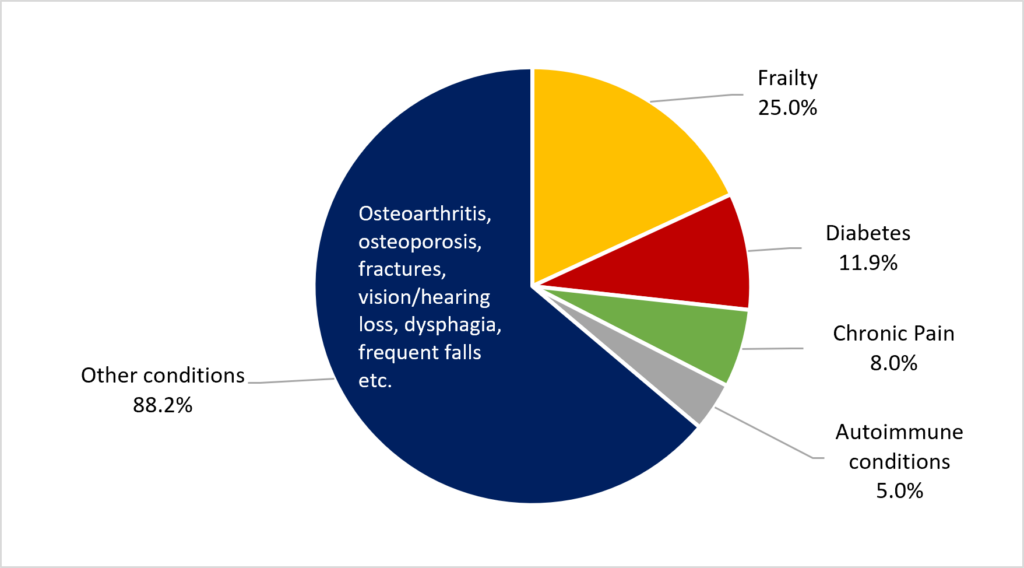
The scandal comes as Canada’s MAiD program continues expanding at breathtaking speed.
What was once marketed as a compassionate last resort for the terminally ill has evolved into one of the most permissive euthanasia systems in the world.
Critics warn the safeguards that Canadians were repeatedly assured would protect vulnerable people are rapidly collapsing.
Instead of protecting citizens struggling with depression, disability, addiction, poverty, or despair, opponents argue the system is increasingly steering them toward death.
The fact that euthanasia has reportedly become one of the leading causes of death in Canada has only intensified those concerns.
To critics, the emerging picture is deeply unsettling: vulnerable citizens approached in public, medically approved for death in casual settings, transported to industrial facilities, and euthanized before the day is over.
As public outrage grows, many are now asking whether Canada’s euthanasia regime has crossed a line from “assisted dying” into something far darker — a system where the state increasingly offers death as a solution to human suffering.