


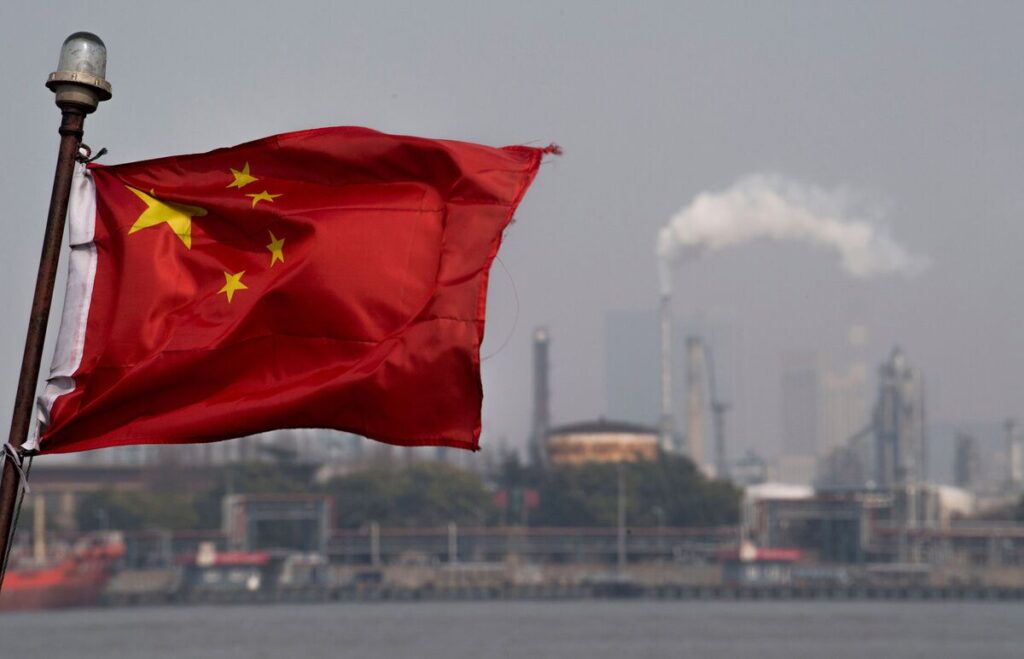
China’s Ministry of Commerce has reportedly told domestic firms to ignore US sanctions aimed at refiners said to be involved in Iran’s oil trade.
According to state news agency Xinhua, China’s Ministry of Commerce said on Saturday it had issued an injunction to block US sanctions imposed on five Chinese refiners accused of buying Iranian oil.
The US has previously cautioned banks about working with companies it alleges are connected to Iranian oil exports.
Late last month, the US Treasury also issued a warning regarding so-called “teapot” refineries—small, privately owned operators it claims are responsible for most of China’s oil imports from Iran. It said the revenue from these transactions ultimately supports the Iranian government, including its weapons development and military activities.
RT reports: China’s government and major state-owned companies have denied direct purchases of Iranian crude, while customs data have not recorded imports from Iran since 2023.
Beijing has argued that sanctions imposed without a UN mandate are illegal under international law. In a statement on Saturday, China’s Ministry of Commerce said the restrictions interfere with normal trade between its firms and third parties and banned compliance with the sanctions, citing “national sovereignty, security and development interests.”
A government spokesperson said the move would not affect China’s international obligations or its protection of foreign-invested firms.
“The ministry will continue to closely monitor the improper extraterritorial application of foreign laws and measures, and will carry out further work in accordance with the law if such situations arise,” the spokesperson added.
Oil prices have surged since the US and Israeli attacked Iran in late February, prompting the closure of the Strait of Hormuz, a critical chokepoint handling about one-fifth of global oil and LNG flows.
While Iran has kept the vital waterway closed to “hostile ships,” the US Navy has maintained a blockade of Iranian ports in the Persian Gulf.
Despite a ceasefire declared nearly a month ago, prospects for a peace deal remain uncertain, as both sides have accused each other of pressing unacceptable terms. Oil prices surged past $120 per barrel this week for the first time since 2022.