


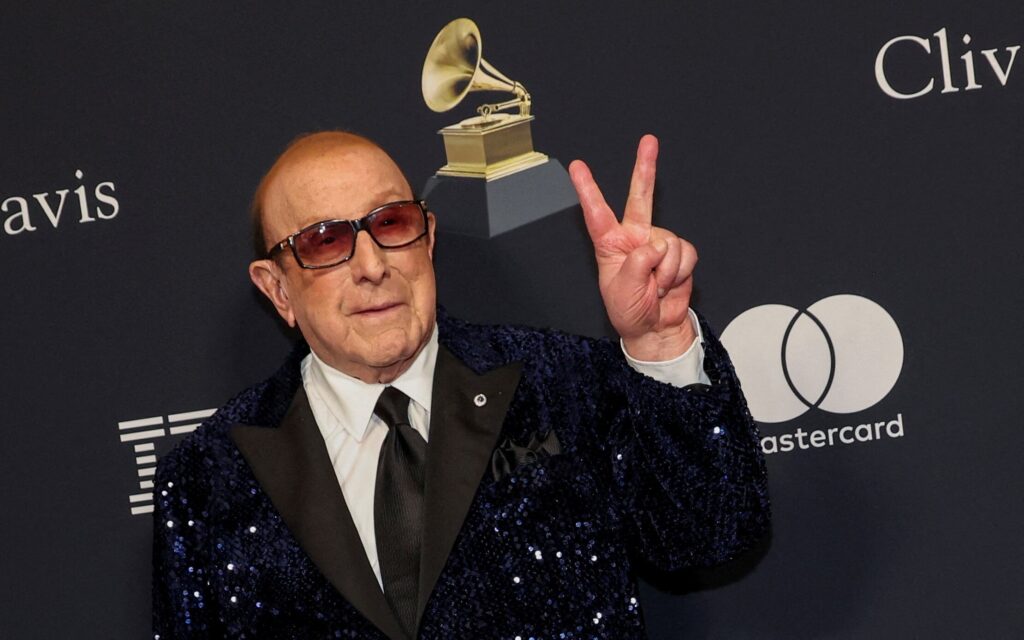
Clive Davis, the self-proclaimed “man with the golden ears” and one of the most powerful figures in the music industry for over half a century, passed away at his Manhattan home at the age of 94 on Monday.
Official reports claim age-related illness. But for those who have followed the dark underbelly of the entertainment world, this is no ordinary farewell. It marks the end of an era for a man long alleged to be a central node in the Illuminati-style network of control, ritual sacrifice, blackmail, and soul-selling that has dominated popular music.
Davis rose from Columbia Records lawyer to president, shaping the careers of legends like Janis Joplin, Whitney Houston, Alicia Keys, and countless others. He founded Arista and J Records, hosted those infamous pre-Grammy parties that served as elite networking rituals, and maintained ironclad influence. To the mainstream, he was a visionary. In reality, he was a handler – a gatekeeper who allegedly demanded total submission in exchange for fame.
Multiple figures from within the industry have pulled back the curtain on Davis’s operations. Perhaps the most vocal has been Jaguar Wright, the Philadelphia singer and longtime insider who has repeatedly named Davis as a key architect of the industry’s darkest practices.
Wright has described Davis as Diddy’s “greatest teacher” and Illuminati mentor, alleging he groomed Sean Combs into a protected “demon” figure tasked with enforcing control over artists through systematic exploitation, parties, and worse. She has tied him to broader networks involving figures like Lucian Grainge, claiming Davis initiated and protected operatives who kept the culture “in line” for elite profit.
Wright has gone further, accusing Davis of involvement in the exploitation and silencing of artists like Luther Vandross, and pointing to suspicious patterns around deaths. She and others have highlighted how Davis maintained leverage through compromising material, financial control, and industry “favors” that echoed old payola scandals from his Columbia days – scandals that involved misuse of funds and artist relations that went far beyond simple bribes.
Chaka Khan, the legendary singer, publicly clashed with Davis after Whitney Houston’s death. While the world mourned, Davis pressed ahead with his pre-Grammy party at the Beverly Hilton – the very hotel where Houston died – turning it into a thinly veiled tribute.


Khan called it “complete insanity,” questioning how anyone could party while an artist he “influenced so enormously” lay dead nearby. Many saw this not as ego, but as ritualistic indifference: the show must go on, sacrifices must be made.
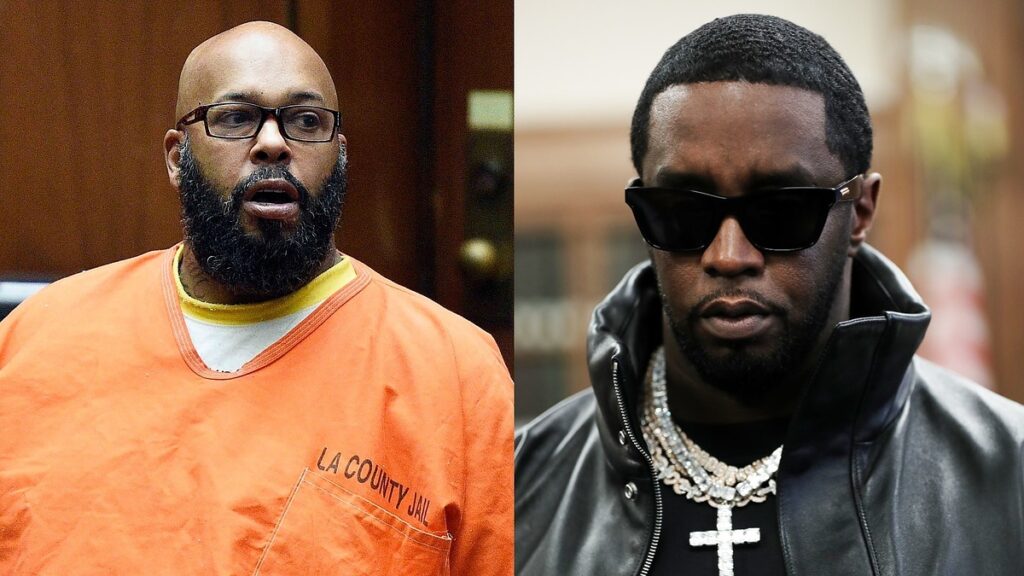
Other voices echo these themes. From prison, Suge Knight has spoken on industry manipulation and control involving top executives like Davis. Online discussions and whistleblower compilations frequently group Davis with “handlers” who trap artists in contracts, demand publishing rights, and enforce compliance through psychological manipulation and the threat of death.

The Pattern of “Sacrifices” and Control
Conspiracy researchers point to a grim list of artists connected to Davis whose lives ended prematurely or spiraled under pressure: Janis Joplin (early Columbia signing), Whitney Houston (his flagship star), and others like those in his orbit whose careers were derailed when they resisted.
Houston’s 2012 death – ruled accidental drowning amid drugs – occurred right before Davis’s big night. Theories swirl about “death clauses” in contracts that financially benefit labels upon an artist’s passing, control over her estate, and the timing that allowed the machine to keep spinning without missing a beat.
Davis’s pre-Grammy galas were more than parties; they were showcases of power – where deals were sealed, alliances formed, and the pecking order displayed. Attendees included politicians, stars, and industry titans in what one outlet wryly noted was the closest thing to an Illuminati gathering if such a thing existed.
Davis’s model involved signing talent young, shaping their image (often with occult or hyper-sexualized symbolism), extracting maximum value, and discarding or neutralizing those who sought independence. Payola allegations from the 1970s, tax issues, and whispers of providing “favors” to artists and DJs painted a picture of a man comfortable operating in gray – or black – areas.
The Illuminati Thread
In the broader conspiratorial view, Davis wasn’t just a mogul – he was a high-level operative in the entertainment arm of elite control structures. Symbols, timing of artist breakdowns, and the relentless promotion of certain agendas through music are seen as evidence.
Artists who “made it” under his wing often displayed the classic signs: drastic image changes, health collapses, erratic behavior, and public tributes that felt scripted. Those who pushed back faced career sabotage.
His death at 94, “peacefully” surrounded by family, stands in stark contrast to the chaotic ends met by many under his influence. Some will call it natural closure. Others see it as the handler finally exiting the stage, leaving a blueprint of control that successors will follow.
The music industry will mourn with tributes and black ties. But the real question remains: How many careers were built on broken souls? How many “gifts” came with eternal strings attached?
Clive Davis may be gone, but the machine he helped perfect grinds on – pumping out stars, collecting souls, and guarding secrets.