


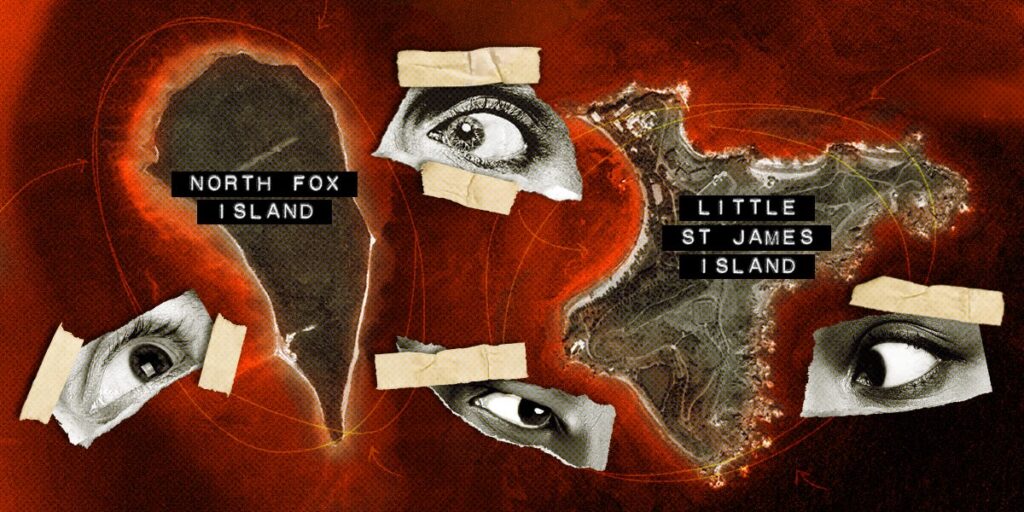
Before Jeffrey Epstein became a household name, there were many earlier cases that raise extremely disturbing questions about how the elite pedophile ring continues to evade accountability.
In the 1970s, attention briefly turned to North Fox Island, a small privately owned island off the coast of Michigan, and to its owner, Francis D. Shelden. What emerged from court records, law enforcement files, and later investigative reporting was not proof of a vast hidden conspiracy, but a deeply disturbing example of how serious abuse allegations involving pedophile elites are systematically shut down.
Shelden came from a prominent and affluent Michigan family and used his resources to purchase and develop North Fox Island. The island was connected to an organization presented as a youth-oriented Christian group, through which boys from vulnerable backgrounds were brought to the island.
The Epstein before Epstein and North Fox Island.
— The SCIF (@TheSCIF) January 7, 2026
A wealthy elite named Francis Shelden would take unfortunate youth to an island with other elites called North Fox Island to abuse and film them.
Shelden came from a very wealthy background and many elites would visit the island… pic.twitter.com/aNsEiN7pCq
In 1978, authorities charged Shelden with child pornography and sexual abuse offenses after evidence was uncovered that children had been exploited there. Investigators noted that filming equipment had been present in some of the island’s cabins, a detail that fueled speculation at the time about the scope of the crimes.
What made the case especially unsettling was not only the nature of the crimes, but how limited the legal consequences ultimately were. Before sentencing, Shelden left the United States and relocated to the Netherlands, where he was never extradited.
While another individual connected to the case, a schoolteacher involved in recruitment, was also charged and later died, the investigation did not significantly expand beyond those defendants. Questions about the identity of other wealthy pedophiles who frequented the island, or who may have known about the abuse, were never answered in public proceedings.


At the same time, Michigan was grappling with a separate and horrific series of crimes involving the abduction and murder of children in Oakland County. These cases, which remain unsolved, occurred in the same general period and geographic region as the North Fox Island operation.
Although no official link was established between the two, their proximity in time has led researchers and investigators to question whether law enforcement at the time had the tools or institutional support needed to pursue broader lines of inquiry involving organized abuse.
Decades later, when Jeffrey Epstein was arrested and his network of powerful associates came under scrutiny, comparisons to earlier cases like North Fox Island resurfaced. Epstein’s sudden rise into elite circles, his unexplained wealth, and the repeated failure of institutions to intervene early reminded many people of how Shelden’s case had been handled.
What the North Fox Island case ultimately illustrates is not a confirmed multigenerational plot, but a pattern of zero accountability. Serious crimes against children were documented, yet the full information was never publicly released.
Survivors were left without answers, and the public was left to wonder how different the outcome might have been if the accused had not been wealthy, connected, and able to leave the country.
The FBI’s own records on Francis D. Shelden, now publicly available through the FBI Vault, show that this history is not speculation but a matter of documented investigation.

They also show how much remains unanswered. Whether viewed as a precursor to later scandals or as a cautionary example of institutional failure, North Fox Island stands as a reminder that protecting children requires sustained scrutiny, transparency, and the willingness to pursue the truth even when it leads into uncomfortable territory.