



The European Union is rolling out an age-verification system that requires official ID—passports or national identity cards—to prove you’re old enough for certain online content and services. Officials have already flagged VPNs as a problem that “needs closing.”
Read that again. A digital identity layer for the internet. Enforced by going after the tools people use to stay private.
In a European Parliamentary Research Service briefing, VPNs were called “a loophole in the legislation that needs closing” because they let users protect their privacy by disguising their location.
European Commission Executive Vice-President Henna Virkkunen has said the system must not be circumvented by VPNs. The EU’s own age-verification app, due by the end of 2026, uses ID documents for initial setup and is designed so platforms get only a yes/no age proof—while the broader push treats VPN workarounds as something to address.
This is the classic playbook: start with “protect the children,” then mission-creep into total visibility. Once every adult has verified identity tied to access, the infrastructure for broader control already exists. Papers, please—except now it’s your phone and a government-backed app.
Look at the pattern already locked into law:
- Cash payments above €10,000 banned across the EU from July 2027 under the new AML regulation.
- Crypto platforms must perform full ID checks on occasional transactions of €1,000 or more.
- Privacy coins and anonymity-enhancing services banned on regulated platforms.
MiCA and the AML rules are already squeezing the crypto industry. Now internet access itself is being tied more tightly to verified identity, with explicit concern about VPN circumvention.
Cash is next. Private money is next. Anonymous browsing is next. Each step sold as safety. Each step removes another exit. Every layer of digital privacy is being dismantled one regulation at a time—while the same institutions that demand your ID insist you should trust the system not to abuse it.

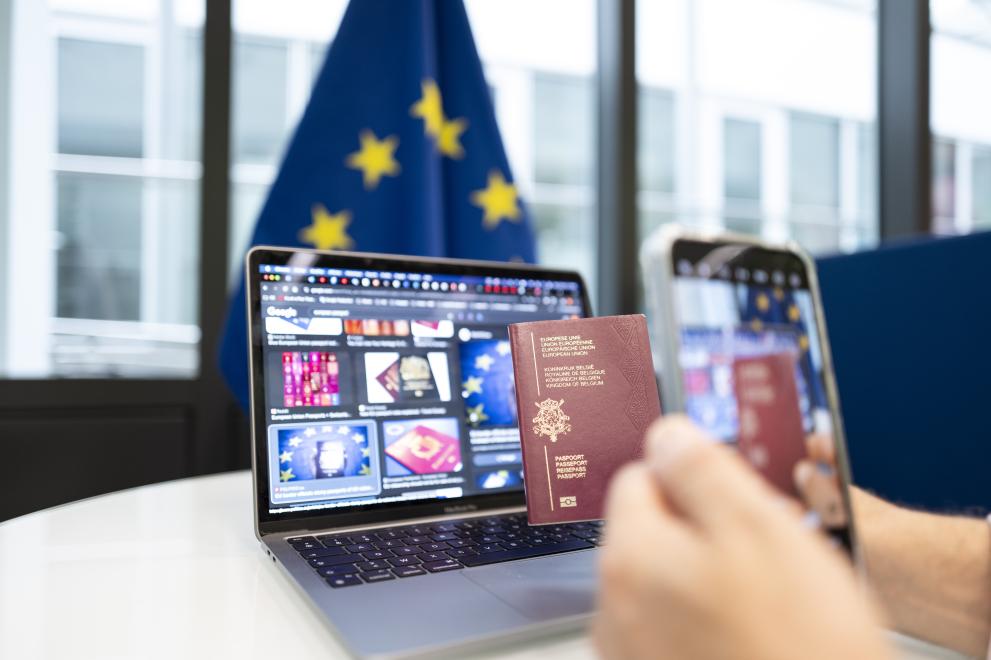
While some in America still talk about lighter-touch approaches to Bitcoin and capital gains, Europe is constructing the cage: every click, every transaction, every website visit increasingly routed through identity gates.
Officials insist this is about protecting minors. The architecture points to something older and more permanent—a permissioned digital life where anonymity is treated as a threat to be closed.This is not consumer protection.
This is the slow construction of digital authoritarianism. And they are no longer bothering to hide the trajectory.