


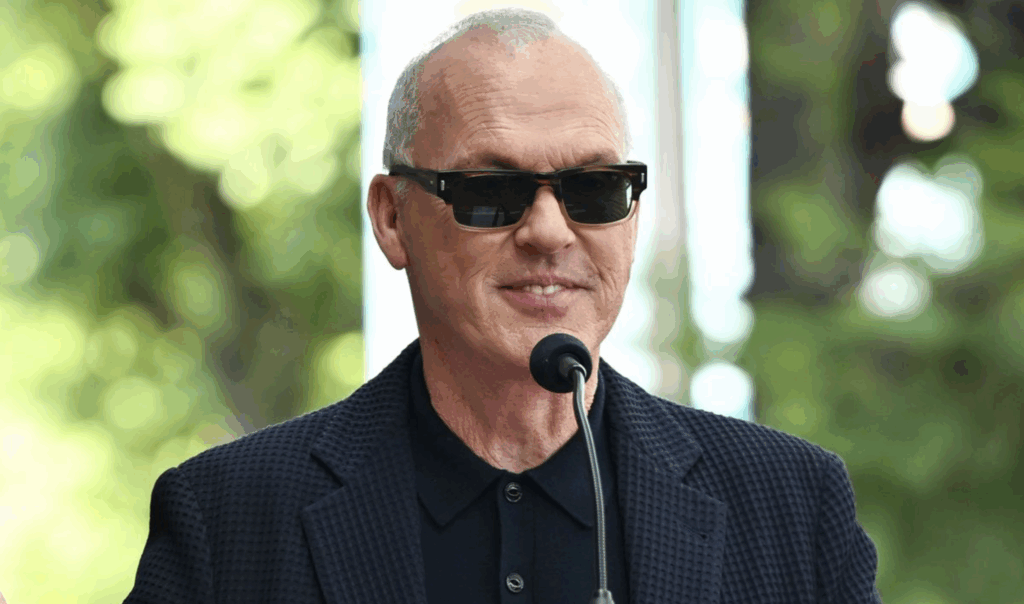
Actor Michael Keaton drew attention this week after describing the assassination of conservative activist Charlie Kirk as “ironic,” following his remarks describing gun owners as “weak, disgusting, cowards.”
“Before we start to get into the meat of this thing, I’m going to take a minute to say that, regardless of how I probably — not probably — have disagreed with many things he said, Charlie Kirk leaves behind two kids and a wife. You gotta remember that,” Keaton said, according to Variety.
“Because in the end, shooting people will never answer anything, and the irony that he was killed with a gun is unbelievable,” he added, without clarifying what he meant by “irony.” Kirk was a vocal supporter of the Second Amendment and gun rights, a point that has fueled speculation over Keaton’s choice of words.
Keaton made the remarks while attending an event where he was honored with the Champion of Investigative Journalism Award. The Batman star did not elaborate further, but unlike some in Hollywood, he stopped short of celebrating the conservative leader’s assassination.

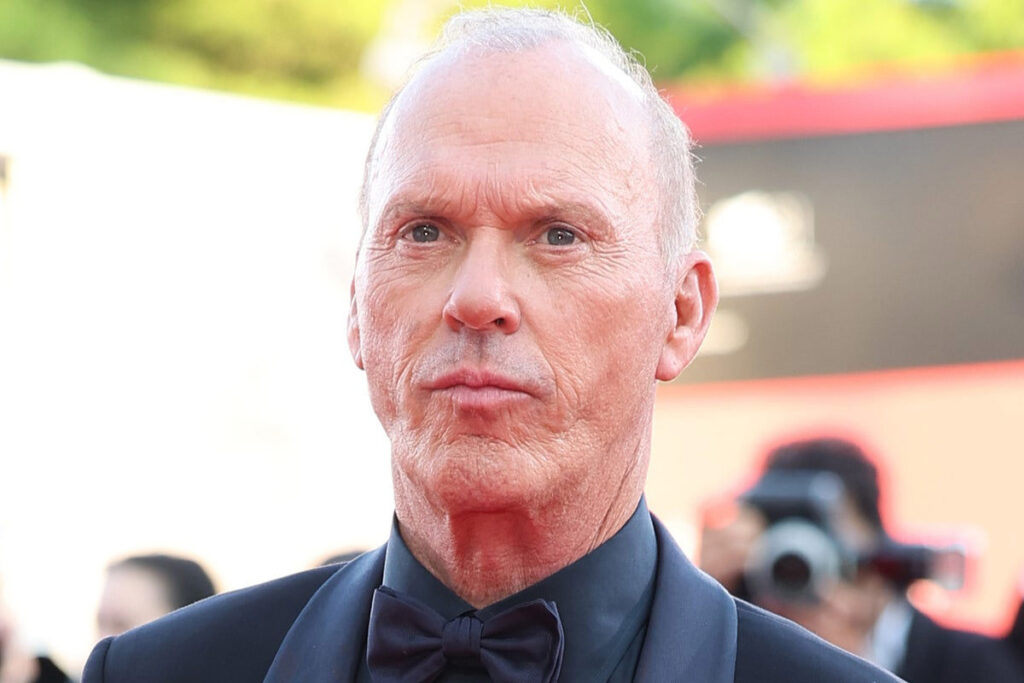
Keaton’s comments reflect a complicated political history. While often aligned with the Hollywood mainstream—he has criticized Donald Trump, Republicans, and gun owners, at one point calling them “weak, disgusting, cowards”—he has also broken from the script on certain issues.
- In 2022, he condemned the FBI raid on Trump’s Mar-a-Lago residence, warning that such actions could pave the way for ordinary Americans to be unfairly targeted.
- In 2021, he urged fellow celebrities to tone down political activism, arguing it often backfires.
- Back in 2015, he praised traditional conservative values like hard work and persistence.
Still, Keaton’s record is largely consistent with Democratic politics. He endorsed Joe Biden in 2020 and supported Stacey Abrams in her campaign efforts, even as critics labeled her an “election denier.”
His latest remarks—acknowledging Kirk’s family while labeling the killing “ironic”—stand out less for their clarity and more for their ambiguity, leaving audiences to wonder exactly what Keaton meant.