


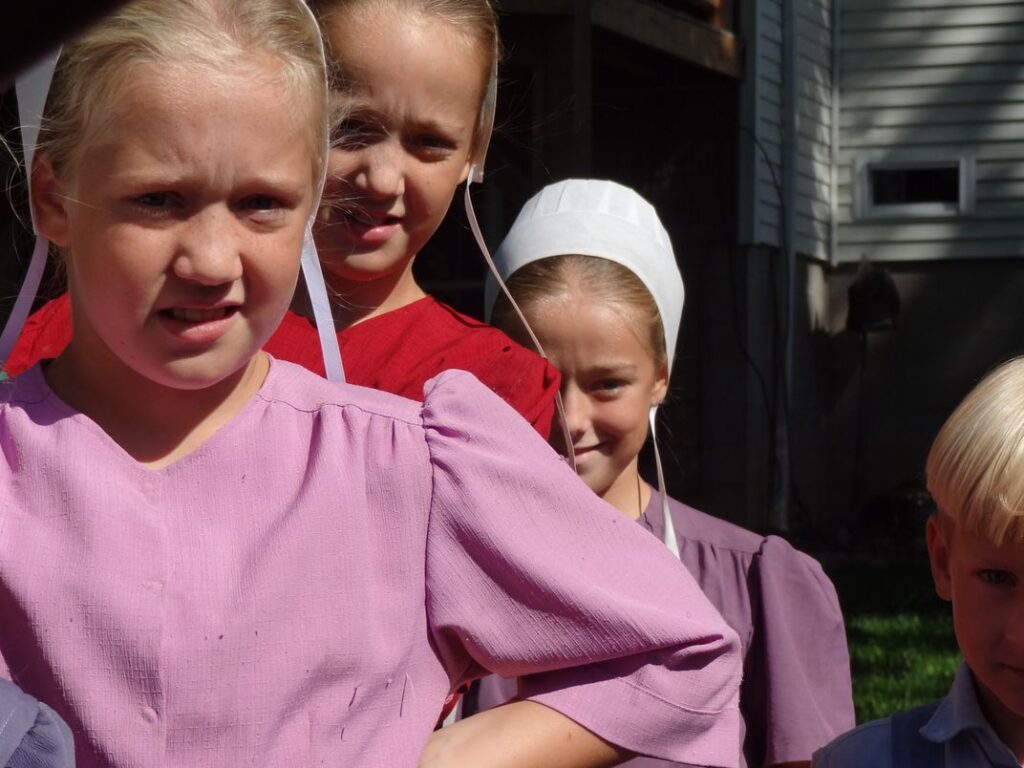
For nearly two centuries, the Amish have lived quietly in upstate New York, educating their children in one-room schoolhouses and keeping the modern world at arm’s length. Today, that way of life is colliding head-on with the state’s vaccine enforcement apparatus—and the price of refusal is staggering.
At the center of the fight: three small Amish schools that have been fined a combined $118,000 by New York State for allowing unvaccinated children to attend class. Under the state’s interpretation of the law, each unvaccinated student represents a separate violation, and each day of attendance can trigger a fresh $2,000 penalty.
With 59 children across the three schools, the math is brutal: another day of school means another $118,000 in potential fines. A full 180-day school year could theoretically expose the community to penalties exceeding $21 million.
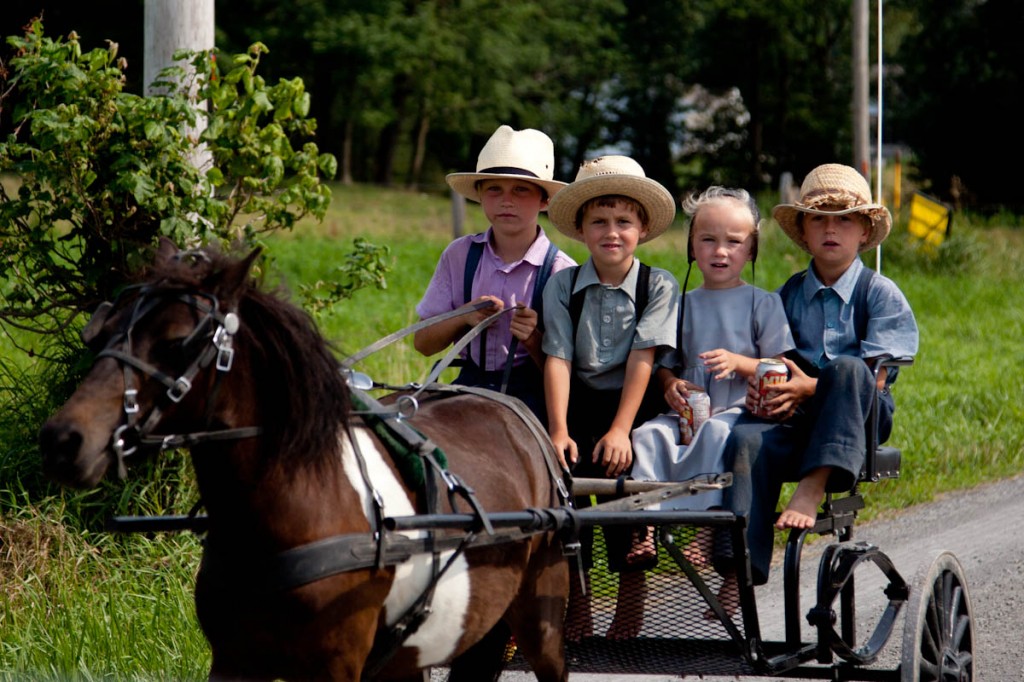
The schools—Dygert Road, Pleasant View, and Shady Lane—take no public funding and operate on private land. They serve Amish families who say their faith requires them to trust God rather than vaccines. Now they are asking the U.S. Supreme Court to intervene.

How We Got Here
For over fifty years, from 1966 until 2019, New York law granted religious exemptions from school vaccination requirements. That changed in June 2019, when then-Governor Andrew Cuomo signed legislation repealing the religious exemption, making New York one of only a handful of states without one.
The repeal was prompted by a measles outbreak that began in 2018 in Rockland County’s Orthodox Jewish community. Ultimately, 312 confirmed cases were reported—the largest outbreak in the state since 1992 . State officials argued that rising religious exemption rates had eroded herd immunity in vulnerable communities. According to the state’s legal filings, vaccination rates in over 280 New York schools had fallen below 85%, and reliance on religious exemptions had increased 54% statewide.
Lawmakers were blunt in their assessment of the exemptions. Senator James Skoufis called them “fake.” Assemblyman Jeffrey Dinowitz called them “utter garbage”.
In 2022, New York’s Health Commissioner Mary Bassett imposed the penalties against the Amish schools. By December 2022, Dygert Road had been billed $52,000, Pleasant View $46,000, and Shady Lane $20,000. The Amish sued, arguing violations of their religious liberty and parental rights. They lost in federal district court and again before the Second Circuit Court of Appeals.


The Legal Fight Reaches the Supreme Court
The case, Miller v. McDonald, now sits before the Supreme Court. The Amish are represented by First Liberty Institute, a religious liberty law firm, alongside attorneys Aaron Siri and others.
“The Amish community in New York wants to be left alone to live out their faith just like they have for nearly 200 years,” said Aaron Siri, Managing Partner at Siri & Glimstad. “When you think of Americana—apple pie, fireworks—the Amish are on that list”.
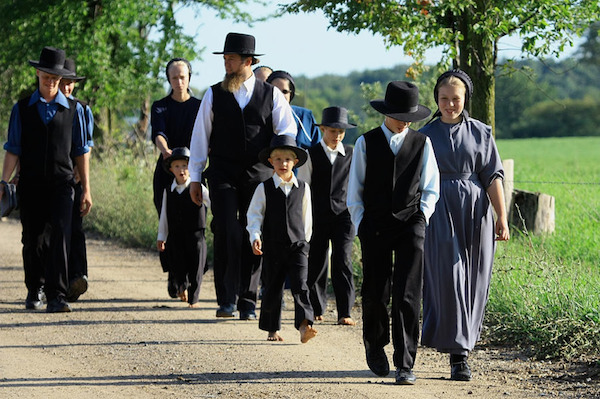
Hiram Sasser, Executive General Counsel for First Liberty, warned of the stakes: “If New York wins, the Amish may be forced to flee the state after peacefully living there since the 1830s”. Attorneys for the families say the community of roughly 25,000—the fifth-largest Amish population in the country—could relocate to Pennsylvania if they lose.
The Supreme Court previously sent the case back to the Second Circuit in light of Mahmoud v. Taylor, a decision that affirmed parental rights in directing their children’s upbringing. But the Second Circuit reaffirmed its ruling against the Amish in June 2026, prompting the current petition.

Why Don’t Amish Children Have Autism?
New York officials maintain that the vaccine mandate is a matter of public health necessity, not religious hostility. In October 2026, Governor Kathy Hochul declared a state disaster emergency over a measles spike, with 108 confirmed cases statewide—most concentrated in rural areas with low vaccination rates. The outbreak has disproportionately affected under-vaccinated Amish communities across New York, Pennsylvania, and Ohio.
In some New York counties, fewer than 80% of children have received their first measles vaccine dose by age two. In Yates County, the rate is approximately 53%. State health officials say enforcement of the school vaccination law is essential to preventing further spread.
The state’s legal filings emphasize that the repeal was “modeled after legislation that other states, including California, had recently adopted” following measles outbreaks, and that the legislative record “made clear that the repeal bill would increase vaccination rates to restore and maintain herd immunity”.
The View from the Community
Amish parents have submitted handwritten statements to the court explaining their beliefs. “Our Almighty God wants us to fully put our faith & trust in Him which is in conflict to put our trust in vaccines,” one letter reads. “We are also commanded to not be conformed to this world”.
The Amish are not alone in questioning vaccine mandates. A growing number of Americans have raised concerns about vaccine safety and the scope of government authority over medical decisions. But for the Amish, the objection is not political—it is theological and rooted in a centuries-old commitment to separation from worldly systems.
Whether the Supreme Court will hear their case—and whether the Amish will remain in New York—remains to be seen. What is clear is that the quiet people of upstate New York have found themselves at the center of a national debate over the limits of public health authority and the meaning of religious freedom.