


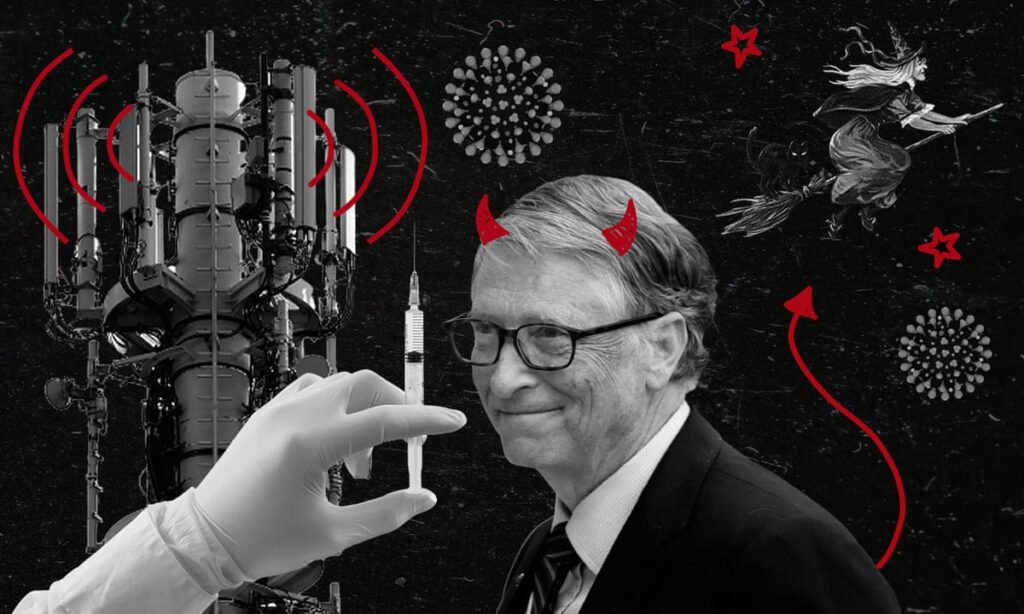
In a bizarre twist from the tech world’s inner circle, transhumanist billionaire Peter Thiel told a private audience this week that while Bill Gates is “a very, very awful person,” he’s not “the Antichrist.”
The comments came during Thiel’s leaked “Antichrist” lecture series in San Francisco, where he’s been exploring the darker spiritual dimensions of global tech and politics.
Thiel, who’s never shied from controversial takes, accused Gates of wielding dangerous, unelected influence through his foundations and health initiatives, but stopped short of calling him a literal embodiment of evil.
“He’s not popular enough, not charismatic enough,” Thiel said — implying the Antichrist would be someone capable of deceiving the world, not merely manipulating it.
The remarks hit a nerve online, especially among critics who see Gates as the poster child for elite overreach — from pushing experimental vaccines to funding farmland takeovers and digital ID systems.


For years, Gates has quietly inserted himself into every aspect of global policy, from agriculture and climate to pandemic preparedness, while pretending to act in the public’s interest.
Thiel’s jab, though oddly theological, touches on a truth many sense: Gates doesn’t need horns or prophecy to do damage.
His power lies in bureaucratic control, not demonic charisma — the slow suffocation of freedom through data, health mandates, and centralized planning.
Thiel’s strange compliment — that Gates isn’t quite the Antichrist — says more about the times we’re living in than about Gates himself.
When even Silicon Valley’s elite start openly discussing biblical evil in connection with global technocrats, it shows just how far public trust has fallen.
Whether Thiel was being literal or just provocative, one thing’s for sure: the era when Gates could pose as a benevolent “philanthropist” is over.
The mask is slipping, and even his peers are starting to say it out loud.