A newly published medical case report is sending shockwaves through the Alzheimer’s research community after documenting something that modern medicine has never achieved: the restoration of speech, memory, mobility, and bladder control in a patient with advanced Alzheimer’s disease following a single dose of psilocybin-containing mushrooms.
The case, published in the journal Frontiers in Neuroscience, involved an 80-year-old Japanese-American woman with a decade-long history of Alzheimer’s disease, including five years of profound cognitive and functional decline.
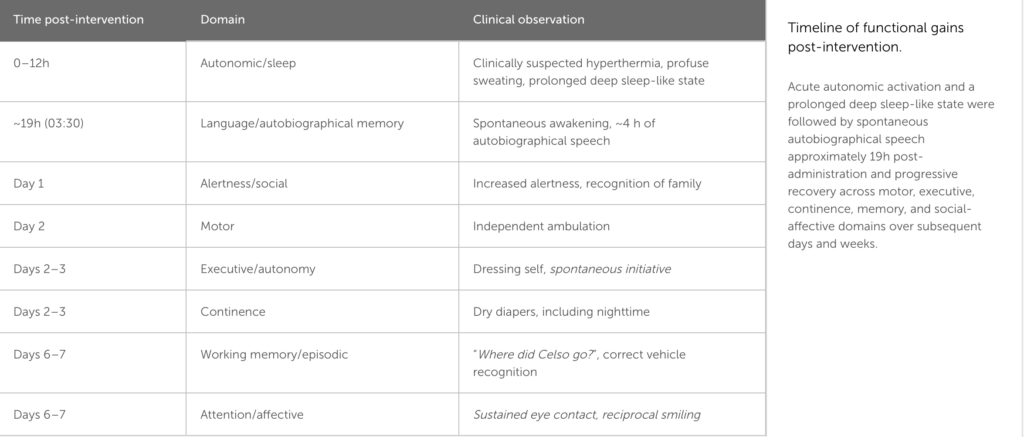
By the time of the intervention, she had become largely non-verbal, communicated mostly in single words, suffered chronic urinary incontinence, had difficulty walking, and required constant caregiver assistance. Then came an extraordinary and unexpected change.
A Remarkable Recovery
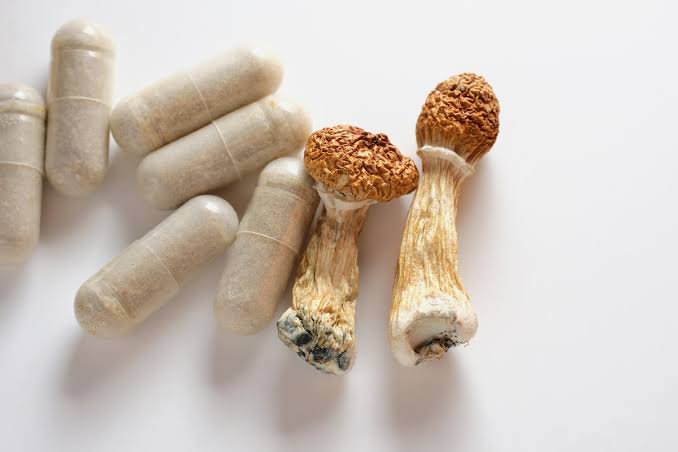
Researchers administered a single oral dose of 5 grams of psilocybin-containing mushrooms. Approximately 19 hours later, the patient reportedly awoke and began engaging in spontaneous autobiographical conversation that lasted for several hours.
Over the following days and weeks, she exhibited improvements across multiple domains that had previously appeared permanently lost:
Restoration of urinary continence, including nighttime bladder control
Significant improvement in speech and spontaneous conversation
Recognition of family members
Recovery of autobiographical memories
Improved working memory and social awareness
Greater emotional responsiveness
Independent walking and increased mobility
Ability to dress herself and initiate activities
Perhaps most astonishingly, one month later the patient remained continent and continued to function at a significantly higher level than before treatment. A subsequent 3-gram psilocybin session reportedly produced additional gains in verbal expression and mobility.
The study authors concluded:
“This case documents transient multidomain functional improvement in advanced Alzheimer’s disease following psilocybin administration.”
Importantly, the researchers emphasized that the findings do not demonstrate a cure or reversal of Alzheimer’s disease. Instead, they suggest that some neural functions may remain dormant and inaccessible rather than completely destroyed.
A new study found a SINGLE 5g psilocybin dose RESTORED speech, memory, AND bladder control in an advanced Alzheimer’s patient.
After 1 month, the patient was STILL functionally improved and bladder control remained RESTORED.
— Nicolas Hulscher, MPH (@NicHulscher) July 12, 2026
No Existing Alzheimer’s Drug Has Produced Comparable Results
Current FDA-approved Alzheimer’s drugs have shown only modest benefits.
Cholinesterase inhibitors such as donepezil and rivastigmine can temporarily slow symptom progression in some patients, while newer anti-amyloid drugs have demonstrated only limited effects on cognitive decline and remain controversial due to safety concerns and modest efficacy.
No approved Alzheimer’s medication has ever demonstrated the restoration of speech, bladder control, autobiographical memory, and independent functioning in a patient with advanced dementia.
The improvements documented in this case are therefore highly unusual and unprecedented in the medical literature.
Why Might Psilocybin Work?
Scientists believe psilocybin’s effects may stem from its conversion into psilocin, which activates serotonin 5-HT2A receptors throughout the brain.
Preclinical research suggests activation of these receptors can:
Increase neuroplasticity
Promote growth of dendritic spines and synaptic connections
Brain imaging studies have shown that psilocybin can disrupt rigid patterns of brain activity and increase connectivity between regions that normally communicate less extensively.
The authors of the case report speculate that these effects may have temporarily unlocked residual brain functions that remained present but inaccessible despite years of neurodegeneration.