



In a development that reeks of perfect timing for global health authorities, officials are now warning that the Andes hantavirus can linger in men’s semen for up to six years after infection, long after it has disappeared from blood, urine, and respiratory samples.
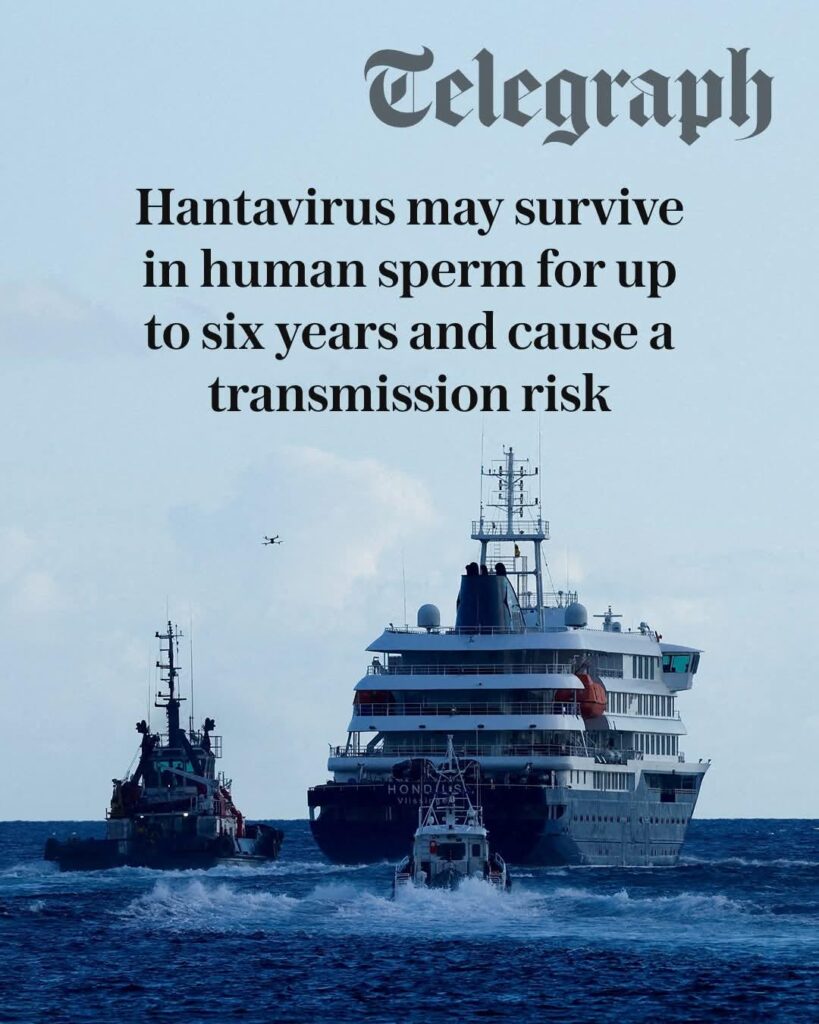
The peer-reviewed study, now gaining traction this week, tracked a patient infected with Andes hantavirus and detected viral genetic material in his semen 71 months later. Experts are warning this could enable sexual transmission as a stealth STI, even from individuals who appear fully recovered by conventional testing.
This revelation lands at the perfect moment for expanded control measures, as the World Health Organization and CDC monitor an active Andes hantavirus cluster linked to the MV Hondius cruise ship. At least 11 cases and three deaths have been reported among passengers from multiple countries, with U.S. authorities tracking dozens of exposed individuals under quarantine protocols.
For those who recognized the COVID pandemic as a manufactured crisis used to justify unprecedented authoritarian power, the timing and details of this story raise immediate red flags.

Another “zoonotic” virus with unusual persistence and human-to-human potential emerges right as public fatigue with restrictions has grown — handing elites the perfect pretext for long-term surveillance, travel controls, intimate contact tracing, and potentially years-long restrictions under the guise of public health.
Cruise Ship Outbreak Fuels Pandemic Concerns
The current outbreak began in early May 2026 following exposure risks in Argentina. The Andes strain is already known for documented person-to-person spread. Officials continue to insist the general public risk remains “extremely low,” repeating the same early reassurances that preceded widespread COVID lockdowns and mandates.


Yet the six-year semen persistence finding dramatically expands the threat narrative. It opens the door to redefining carriers, justifying prolonged quarantines, digital health passports, and even reproductive health monitoring — tools that could sustain authoritarian measures far longer than the initial outbreak.
Echoes of Engineered Threats and Suppressed Questions
The sudden emphasis on this virus’s ability to hide in reproductive fluids — coinciding with an active multi-country cluster — mirrors the pattern seen during COVID, where inconvenient questions about origins, lab research, and natural immunity were censored while fear was amplified.
Independent voices are asking whether this story is being positioned to normalize extended restrictions, mass testing, and new “emergency” powers that primarily benefit global institutions and pharmaceutical interests.
Hantaviruses have been studied in labs for years; once again, the public is left wondering what is known but not disclosed.