
A landmark re-analysis of drug mortality data has delivered a verdict the medical establishment has spent decades avoiding: pharmaceuticals have overtaken heart disease and cancer to become the single leading cause of death.

Psychiatric drugs alone now rank third, killing hundreds of thousands annually through mechanisms routinely misattributed to natural causes—the fall, the fracture, the cardiac event, never the pill that caused them. This is not medical error. It is not unfortunate side effect. It is the predictable, profit-driven outcome of an industry that has captured its regulators, corrupted its own evidence, and learned that death is simply a cost of doing business.
The numbers are staggering. In the United States alone, approximately 100,000 people die each year from prescription drugs taken exactly as directed. Another 100,000 die from preventable errors—doses too high, drugs prescribed despite known contraindications, or dangerous combinations that should never have been allowed.

BYPASS THE CENSORS
Sign up to get unfiltered news delivered straight to your inbox.
You can unsubscribe any time. By subscribing you agree to our Terms of Use
These deaths do not appear on death certificates as drug deaths. They appear as heart attacks, hip fractures, and pneumonia. The pill that caused the dizziness, the fall, the cardiac arrhythmia is never named.
Johnny Depp Reveals Leonardo DiCaprio 'Killed a Child Escort' on Titanic and 'Fed Her to the Crew'
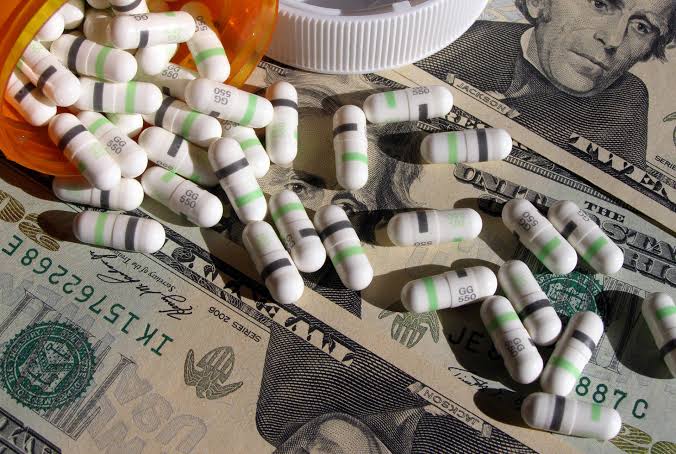
The Psychiatric Drug Catastrophe
The death toll from psychiatric medications is particularly devastating. Antidepressants double the risk of falls and hip fractures in a dose-dependent manner. Within a year of a hip fracture, roughly one in five patients is dead.
A cohort study of patients over 65 found that all-cause mortality was 3.6 percent higher during the year they took newer antidepressants compared to years they did not. Using conservative estimates, psychiatric drugs—antipsychotics, benzodiazepines, and antidepressants—cause approximately 539,000 deaths annually across the United States and European Union combined.
These deaths are invisible by design. When an elderly patient becomes dizzy, falls, breaks a hip, and dies months later, the death certificate cites the fracture or the resulting infection. The antidepressant that caused the dizziness is never mentioned. Doctors and regulators remain “surprisingly unconcerned,” attributing deaths to underlying illness rather than the drugs prescribed to treat it.
The Machinery of Death
The pharmaceutical industry has perfected a system that maximizes profit while externalizing the human cost. The major contributing causes of this preventable death toll include what one researcher called “highly impotent drug regulation” that accepts surrogate outcomes and inadequate safety data, “fake fixes” in the form of thousands of warnings that regulators know won’t work, and “organized crime in big pharma” involving illegal marketing, kickbacks, fraudulent research, and obstruction of justice.
The criminal record is not anecdotal. In 2010, a jury found that Pfizer, the world’s largest drug company, had violated the organized crime act and engaged in a racketeering conspiracy over a ten-year period. The pharmaceutical industry is the biggest defrauder of the United States federal government under the False Claims Act, with more than three times as many serious law violations as other companies.
Gilead paid $202 million to settle allegations that it used luxury dinners and speaker honoraria to induce doctors to prescribe its HIV drugs . Pfizer paid nearly $60 million over similar kickback schemes for its migraine drug Nurtec. These settlements are not isolated incidents—they are the pattern.
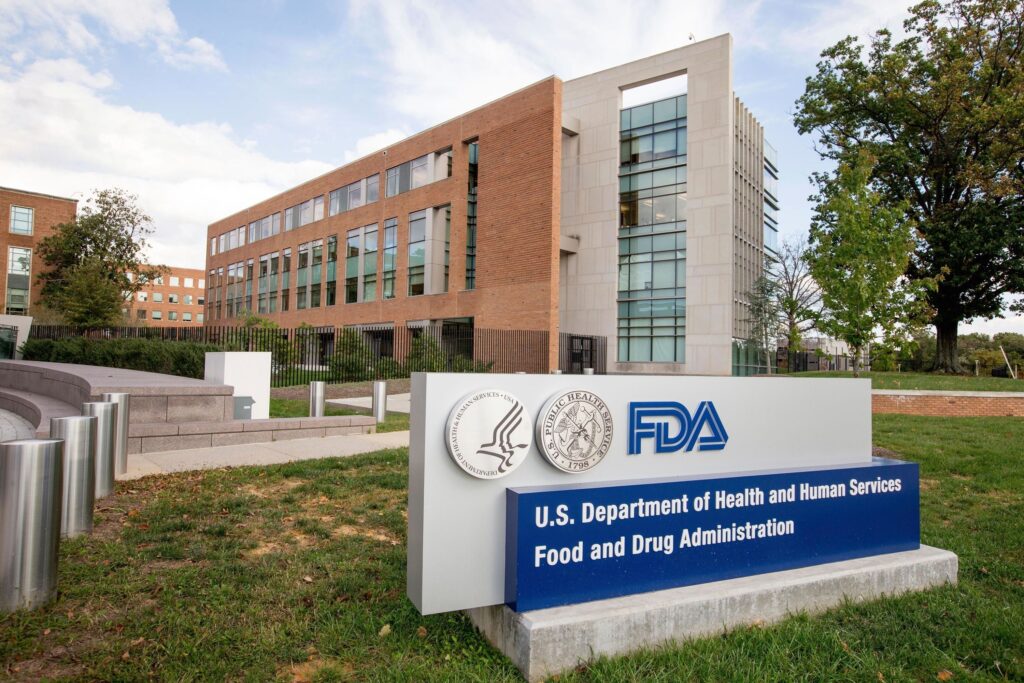
The financial incentives are clear. Drug companies pay doctors to prescribe expensive new drugs over cheaper, equally effective alternatives. They fund trials designed to exaggerate benefits and hide harms. They market drugs for uses the FDA has explicitly declined to approve because of safety concerns. And when they are caught, they pay fines that amount to a fraction of the profits earned from the very practices that killed people.
A Death Toll Hidden in Plain Sight
If a new bacterium or virus caused even a fraction of these deaths, the public health response would be immediate and overwhelming. But because the culprit is a profitable industry and a regulatory system that has been captured by the very companies it is supposed to oversee, the deaths continue largely unnoticed.
The tragedy is that the drug epidemic could be brought under control.
The solutions are not complicated, though they are radical by current standards: drug testing should be a public enterprise, free from industry influence. There should be no money between doctors and companies. Drug marketing should be banned outright, just as tobacco marketing has been, because it is similarly lethal. Drug labels should carry warnings like cigarette packs: “Drugs may be lethal and should be avoided, if possible, particularly if they are newly introduced”.