

The days of festive sing-alongs down at the pub may soon be over fears that certain lines from well known tunes might upset bar staff.

The latest move follows the newly-passed Employment Right Bill which obliges publicans to protect their staff from offensive lyrics.
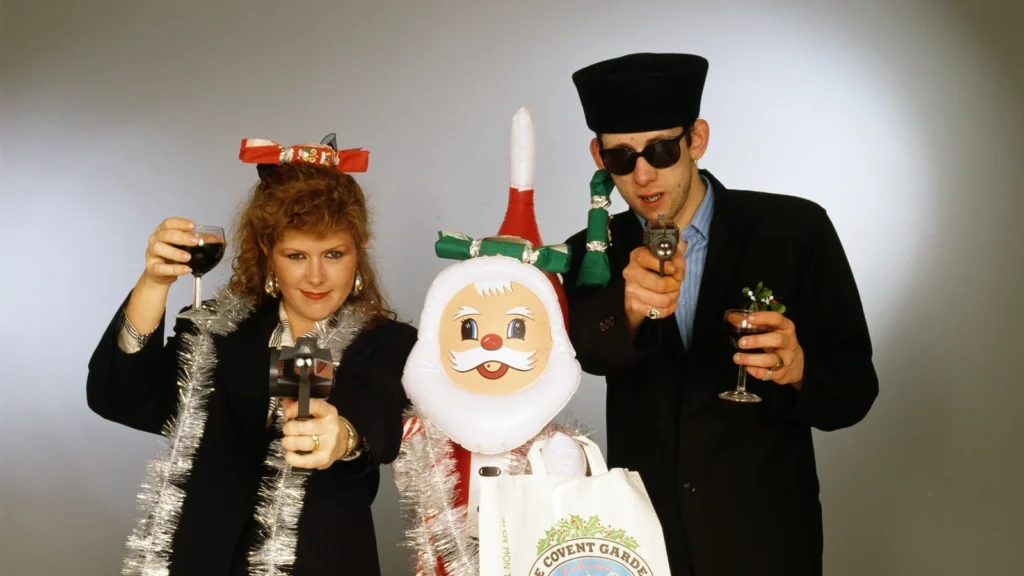
Imagine the uproar if someone started singing the proper version of the Pogues‘ much loved Christmas classic Fairytale of New York

BYPASS THE CENSORS
Sign up to get unfiltered news delivered straight to your inbox.
You can unsubscribe any time. By subscribing you agree to our Terms of Use
However the government has assured people that its not trying to ban free speech… Don’t worry, they say. You can still sing carols.
Kevin Spacey Releases Proof Ellen DeGeneres 'Butchered' Robin Williams in 'Hollywood Sacrifice'
A government spokesman said: “This is complete rubbish. The Employment Rights Act will not affect anyone’s right to lawful free speech, and people will still be able to enjoy their favourite Christmas carols.”
The Telegraph reports: Sitting in a pub with a glass of mulled wine, while loudly singing along to a Christmas song, is a much-loved tradition of the festive season.
But its days may be numbered as pub landlords must ban “offensive” lyrics under new laws requiring them to take “all reasonable steps” to protect staff from third-party harassment.
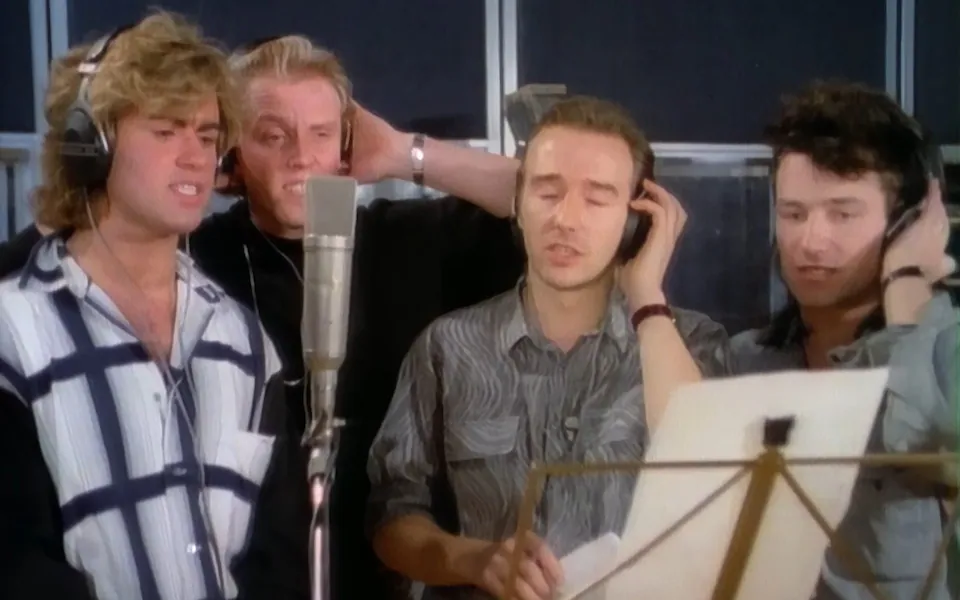
The songs affected could include “Baby It’s Cold Outside”, which has faced criticism from the #MeToo movement, “Do They Know It’s Christmas?”, which has been accused of stereotyping the continent of Africa, and “Jingle Bells”, which is said to have “racist” origins.
Under Labour’s controversial Employment Rights Bill, which became law last week, employers will have a legal duty to prevent harassment by third parties relating to a “protected characteristic” such as race, religion, sexual orientation or age.
Ministers have been warned that this will result in pub landlords, as well as restaurant owners and hoteliers, being turned into the “banter cops”, where they are forced to police what their customers say.
Free-speech campaigners fear it could also lead to pubs banning Christmas music sing-alongs over worries their lyrics may cause offence.
Toby Young, general secretary of the Free Speech Union, said he had previously warned that the “banter ban” would lead to the “policing of harmless fun in pubs, bars and restaurants, giving the scolds and finger-waggers another pretext to stop people enjoying themselves”.
He added: “The Government didn’t listen, insisting we were being alarmist, but a ban on Christmas music and carol singing will be the least of it. Prepare to live in a country in which every hospitality venue is a micro-managed ‘safe space’, overseen by lanyard-wearing banter bouncers. Welcome to Starmer’s Britain.”
A number of Christmas songs have provoked a controversial response in recent years because of lyrics seen as offensive.
In 2019, American singer John Legend rewrote the classic Christmas song “Baby, It’s Cold Outside” to focus its lyrics on consent in the wake of the #MeToo movement.
The song, originally written in 1944, is about a man trying to convince a woman to spend the night with him while she hesitantly suggests she should leave.
The lyrics have long provoked controversy, but face renewed criticism in the wake of the #MeToo movement against sexual harassment, with several radio stations banning it from playlists last year.
Meanwhile, the song “Do They Know It’s Christmas?” has come under fresh scrutiny over claims that it perpetuates “damaging stereotypes” of Africa.
Last Christmas the singer Ed Sheeran shared a statement made by the musician Fuse ODG, a long-time Band Aid critic, who argues such initiatives “perpetuate damaging stereotypes that stifle Africa’s economic growth, tourism and investment, ultimately … destroying its dignity, pride and identity”.
Meanwhile, Jingle Bells has been accused of having racist origins after an academic found the song was first performed in blackface in a minstrel show in Boston in September 1857.
Kyna Hamill, of Boston University, published a paper explaining that during the past 160 years the song had become an example of music whose “blackface and racist origins have been subtly and systematically removed from its history”.