
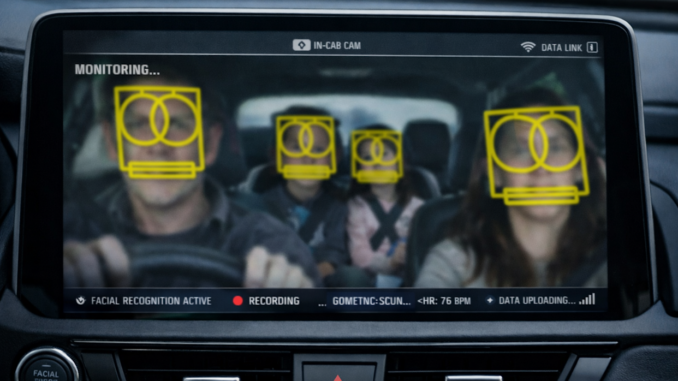
As of July 7, every new car sold in the European Union is required to include a camera-based monitoring system aimed directly at the driver’s face. The technology, known as an Advanced Driver Distraction Warning (ADDW) system, is designed to watch motorists and determine whether they are distracted, drowsy, or not paying sufficient attention to the road.

Brussels says it’s about safety. Let’s face facts: it’s about mass surveillance and 1984 is right around the corner.
The new mandate is part of the European Union’s expanded General Safety Regulation, which now requires all newly registered vehicles to include a host of electronic safety features, including advanced emergency braking systems, forward visibility technology, tire wear monitoring, and camera systems that constantly observe drivers inside their own vehicles.

BYPASS THE CENSORS
Sign up to get unfiltered news delivered straight to your inbox.
You can unsubscribe any time. By subscribing you agree to our Terms of Use
The European Commission claims the measures are necessary because “the number of deaths and injuries from road accidents is still too high” and says the regulations are part of its long-term “Vision Zero” initiative, an ambitious plan to drive road fatalities toward zero by 2050.
Johnny Depp Reveals Leonardo DiCaprio 'Killed a Child Escort' on Titanic and 'Fed Her to the Crew'
But the bigger story is not road safety—it’s the normalization of being watched by government agencies at all times.
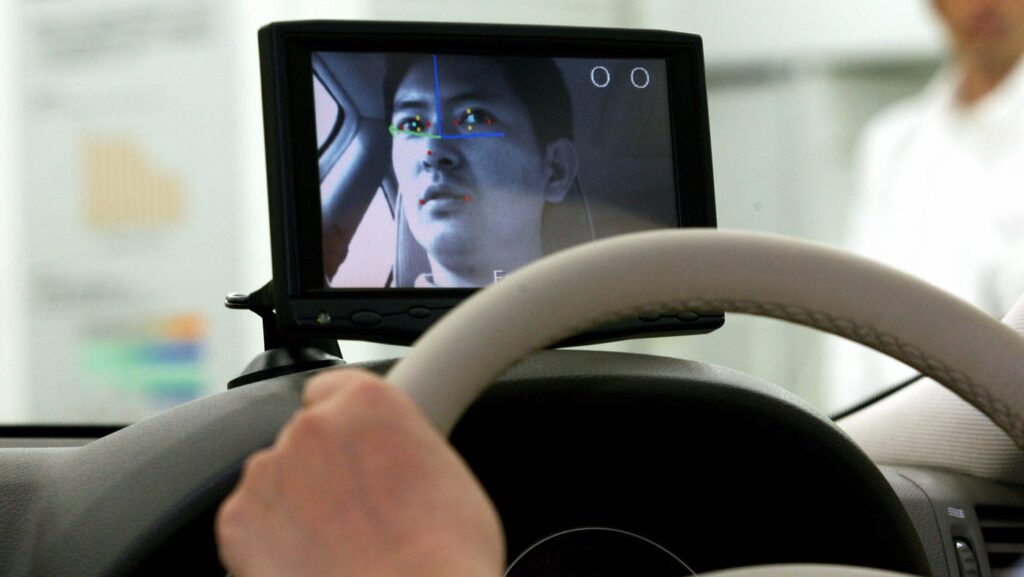
Your Car Is Now Watching You
Under the new rules, every driver of a new vehicle in Europe must accept having a camera pointed at their face every time they get behind the wheel.
Authorities insist the systems do not collect biometric information and that the data remains inside the vehicle. However, critics point out that governments and manufacturers have repeatedly expanded the use of technologies that were initially introduced with narrow purposes and assurances of limited data collection.
The regulations also leave many unanswered questions. What happens if automakers violate the rules? What penalties exist if data is stored or transmitted? Could future governments demand access to driver monitoring information?
Those questions remain intentionally unanswered.
Privacy advocates argue that once the surveillance hardware is built into every vehicle, changing the rules governing its use becomes a matter of legislation and software updates.
In other words, the infrastructure for mass monitoring is already in place.
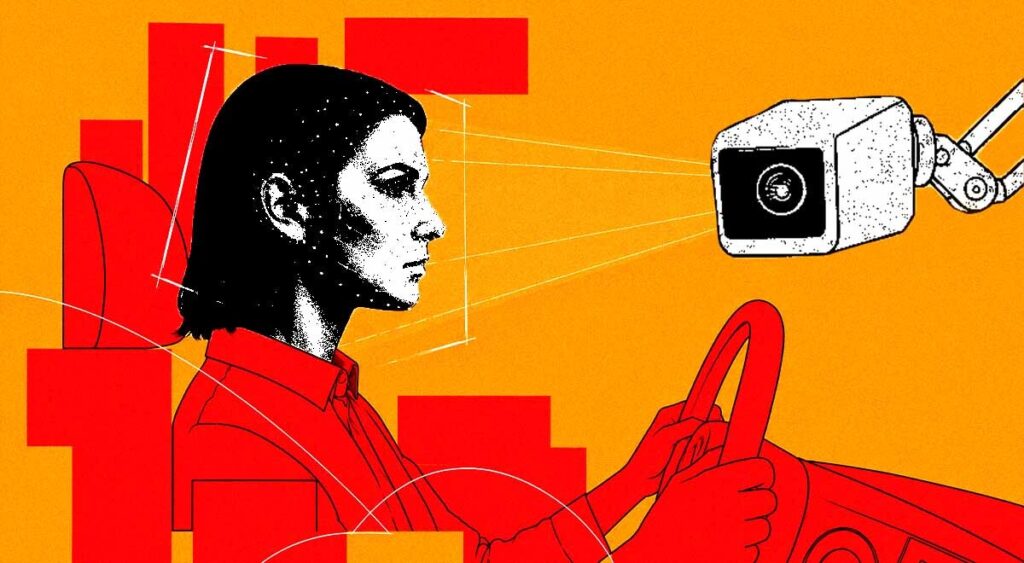
“Big Brother Is Watching You”
European authorities insist the technology is necessary.
“Smarter cars mean safer roads,” the European Commission declared while promoting the new requirements.
Supporters argue that distracted driving and fatigue contribute to thousands of accidents every year and that monitoring systems can save lives by alerting inattentive drivers before tragedy strikes.
But critics counter that modern vehicles are already overloaded with electronic interventions that sometimes create their own hazards.
One motorist responding to the announcement claimed that an automatic braking system activated while attempting to overtake another vehicle.
“While I try to overtake as quickly as possible, it brakes, putting me in danger,” the user wrote.
The incident highlights a growing concern among skeptics: increasingly autonomous safety technologies can malfunction, misinterpret situations, and remove control from drivers.
Coming to America Soon
Perhaps the most alarming question for opponents of the new rules is whether Europe is simply acting as a testing ground for global rollout.
Historically, technologies and regulations introduced in the European Union spread to other Western nations, either through regulatory pressure or because automakers choose to standardize vehicle platforms globally rather than build separate versions for different markets.
Critics warn that once cameras become standard equipment in European vehicles, it will only be a matter of time before similar systems become commonplace elsewhere.
For those who see a broader pattern of expanding digital oversight, the issue goes far beyond traffic safety.
They argue that societies are gradually being conditioned to accept constant monitoring in exchange for promises of security and convenience. A camera in every car today could become a camera in every aspect of life tomorrow.
As one commenter bluntly put it: “Mandated mass surveillance? No thanks.”
Whether these systems ultimately save lives or become another step toward a permanently monitored society, one thing is certain: the age of the unobserved driver is rapidly coming to an end.