
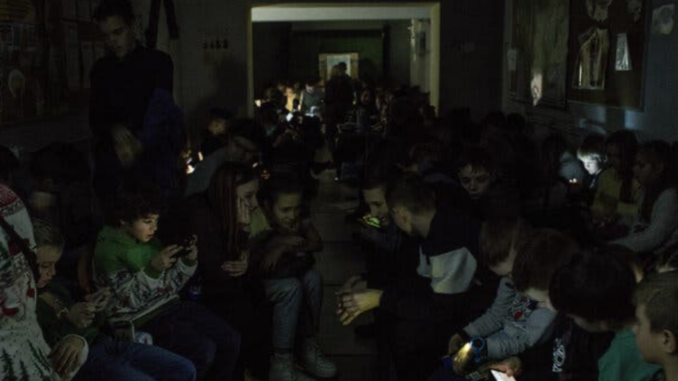
The UK government has issued unprecedented orders to schools across Britain to prepare for national power outages, disruptions to food and water supplies, and scenarios where vulnerable children may be forced to remain on school grounds overnight while society collapses around them.

While mainstream outlets like the BBC and The Independent rush to frame the latest Department for Education (DfE) guidance as a “routine resilience update,” a close reading of the documents reveals a far more chilling reality.
This is not merely about storm-related outages or localized disruptions. The guidance explicitly directs school leaders to consider a cascade of simultaneous failures—a scenario that suggests the authorities are bracing for systemic collapse and a major blackout that could plunge the world into darkness for months.

BYPASS THE CENSORS
Sign up to get unfiltered news delivered straight to your inbox.
You can unsubscribe any time. By subscribing you agree to our Terms of Use
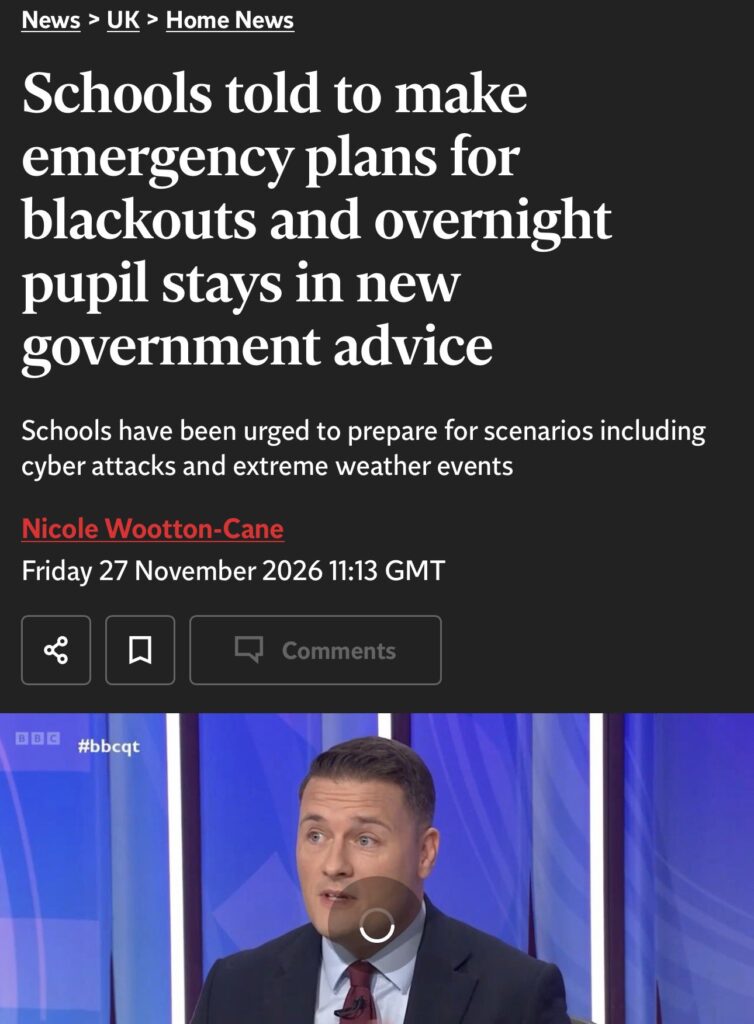
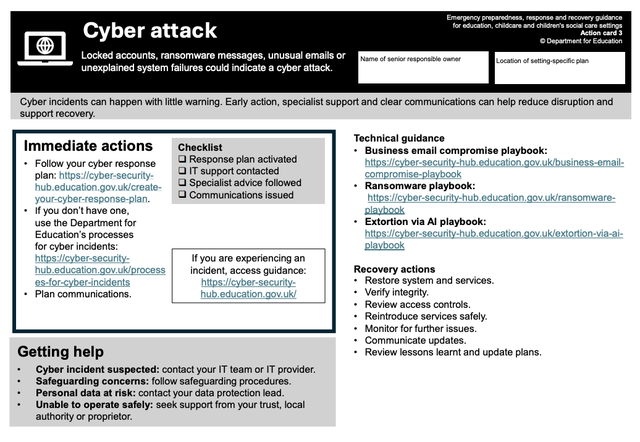
This week, the DfE published updated emergency planning guidance alongside nine new “emergency action cards” . The mainstream press dutifully reported that schools should prepare for “cyber incidents” and “extreme weather”.
Hacked FBI Files Expose Plans for "Door to Door Executions" of Americans Who Oppose Israel
The Association of School and College Leaders (ASCL) even pushed back, telling the BBC that schools “already strive to remain open” and that government lectures on the matter are “not particularly helpful”.
But what the headlines conveniently omit is the specific, alarming nature of the preparations being demanded.
According to the guidance obtained by Tes and confirmed by the BBC, schools are being told to plan for “multiple emergencies happening simultaneously” . They are asked to consider how long they could remain open without critical services—electricity, water, and communications—and whether one emergency could trigger another.
The most disturbing element of the guidance is the explicit instruction regarding children. The DfE states that emergency plans “should include arrangements for supervising pupils who cannot be collected or need to remain on site overnight.
Why would children need to stay overnight? The official line is that closing a school might not reduce risk if the emergency also affects their homes . But the logistics tell a different story. If the grid goes down and transport networks fail, schools are being transformed into de facto shelters and holding areas for vulnerable children during widespread societal collapse.
The Silent Admission
The DfE’s updated guidance follows “lessons learned from recent events, including wildfires and cyber attacks” . But the scope of the planning—covering everything from national blackouts to water shortages, building collapses, and physical threats—suggests the government is anticipating a perfect storm of crises.
While the BBC reports that “the guidance does not mean schools are expected to close or that a nationwide blackout is imminent” , the sheer specificity of the preparations tells a different story. Why else would the government mandate that schools plan for overnight pupil supervision, emergency water rationing, and paper-based emergency communications unless the threat of an extended, nationwide infrastructure failure was considered a realistic possibility?
The mainstream media will continue to downplay this as bureaucratic box-ticking. But the documents are clear: the UK government is quietly turning schools into emergency shelters, preparing for the day the lights go out—and the children don’t go home.