
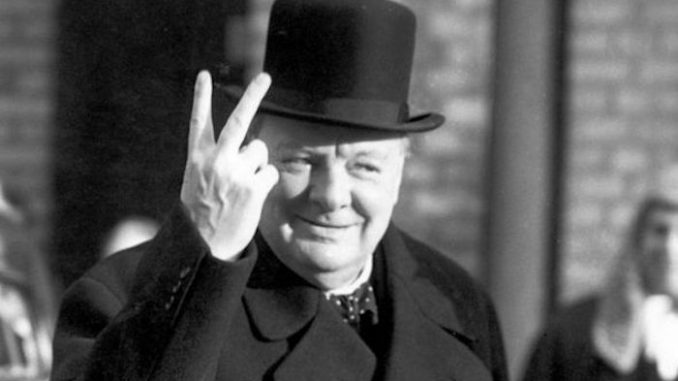
The Bank of England’s decision to remove Britain’s wartime hero Winston Churchill from banknotes came after research commissioned by the regulator concluded that he was “elitist and divisive,” according to local reports.

The central bank announced in March that it would end its use of historical figures including Churchill, with the next series of banknotes set to feature British wildlife. It said that the move followed public consultations in which nature-themed designs received the strongest support and argued that wildlife imagery would be harder to counterfeit than faces.
According to the Telegraph, however, the decision was ultimately shaped by an internal study commissioned from market research firm Savanta. It reportedly found that figures such as wartime leader Churchill, World War II codebreaker Alan Turing, and novelist Jane Austen were “contentious and not representative of the UK’s cultural and natural diversity.”

BYPASS THE CENSORS
Sign up to get unfiltered news delivered straight to your inbox.
You can unsubscribe any time. By subscribing you agree to our Terms of Use
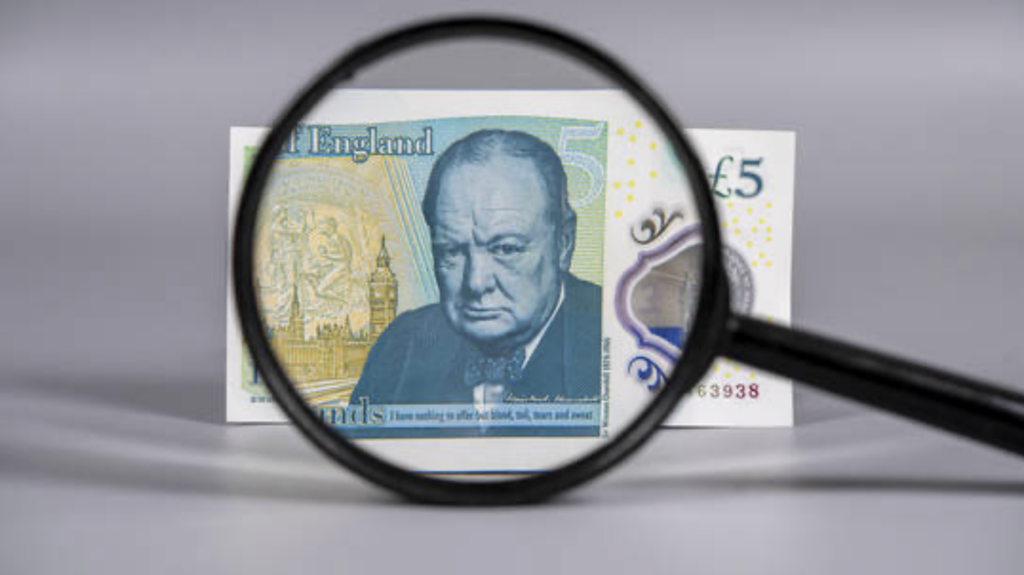
Savanta advised replacing portraits with nature, arguing that historical figures projected “a backward-looking vision of the UK” and were viewed as “imperialistic,” “potentially divisive,” and “elitist.”
Britney Spears Exposes Epstein VIPs Who Turned Her 'Butchered Babies' Into McDonald's Happy Meals
Review participants reportedly wanted banknote imagery to “better reflect modern Britain by being more inclusive.”
The firm also warned that landmarks and historic architecture could prove controversial, with Georgian and Victorian-era buildings deemed high-risk due to links to “colonialism/slavery.”Even some nature-themed symbols were considered problematic, including the White Cliffs of Dover over alleged association with immigration concerns.
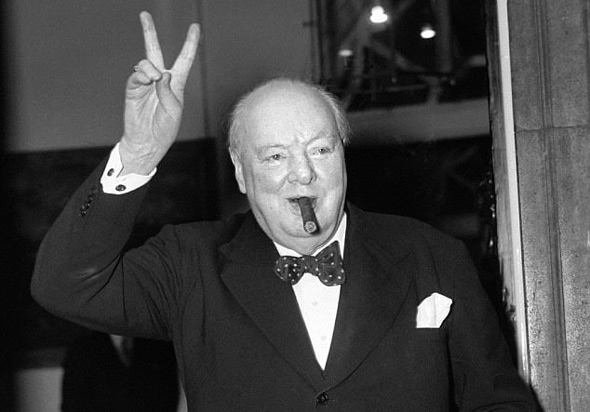
Savanta reportedly urged the regulator to frame the move “as a positive evolution that enhances banknotes, rather than a ‘censorship’ or ‘cancellation’ of history,” but the decision has sparked accusations of precisely that.
Robert Jenrick, Reform UK’s Treasury spokesman, dismissed the plan as “nonsense.” Other politicians, including Conservative leader Kemi Badenoch, Reform UK leader Nigel Farage, and Shadow Communities Secretary Kevin Hollinrake, have likewise condemned the decision as “wrongheaded wokery” and an attempt to erase British history.
Critics argue that the move is part of Britain’s broader “diversity overhaul.” Over the past decade, major UK institutions have increasingly reassessed the legacies of empire and colonialism. The National Trust linked dozens of historic properties to slavery and colonialism in a 2020 report, while the BBC, Civil Service, and Armed Forces have rolled out diversity initiatives. Local authorities have also renamed streets and reviewed monuments associated with colonial-era figures.
The Bank of England has featured historical figures on banknotes for more than half a century. William Shakespeare became the first non-royal to appear on the £20 note in 1970. This week, the regulator said that the public would help choose the imagery for the new notes, with options including the red fox, bottlenose dolphin, and common frog.