
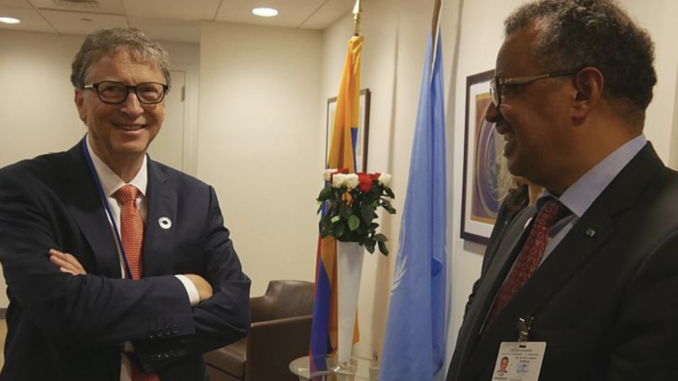
Bill Gates and global health authorities are wasting no time exploiting the latest Ebola outbreak in the Democratic Republic of the Congo to push experimental vaccines currently in warp-speed development—including mRNA platforms—onto vulnerable populations.

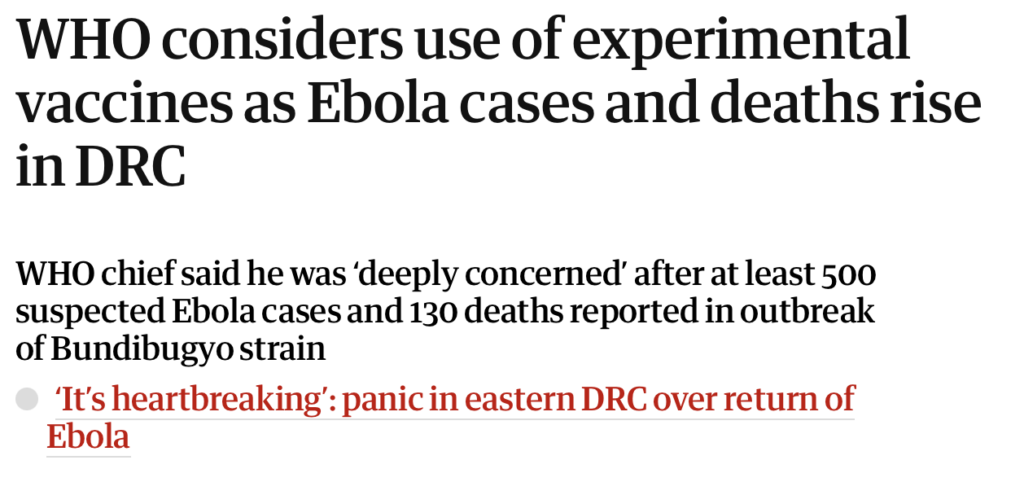
WHO chief Dr. Tedros declared a Public Health Emergency of International Concern (PHEIC) at record speed, citing roughly 500 suspected cases and 130 deaths from the Bundibugyo strain. This strain has no approved vaccines or treatments. Existing shots target only the Zaire strain and cannot be used here, according to officials.
Instead, the WHO is convening technical groups to fast-track “what vaccines and treatments could be useful”—meaning unproven candidates in warp-speed development. Reports highlight experimental mRNA vaccines in the pipeline, including one from China that has only shown promise in mice so far. Ground teams report severe shortages of basic protective equipment, yet the focus remains on rushing novel biologics.

BYPASS THE CENSORS
Sign up to get unfiltered news delivered straight to your inbox.
You can unsubscribe any time. By subscribing you agree to our Terms of Use
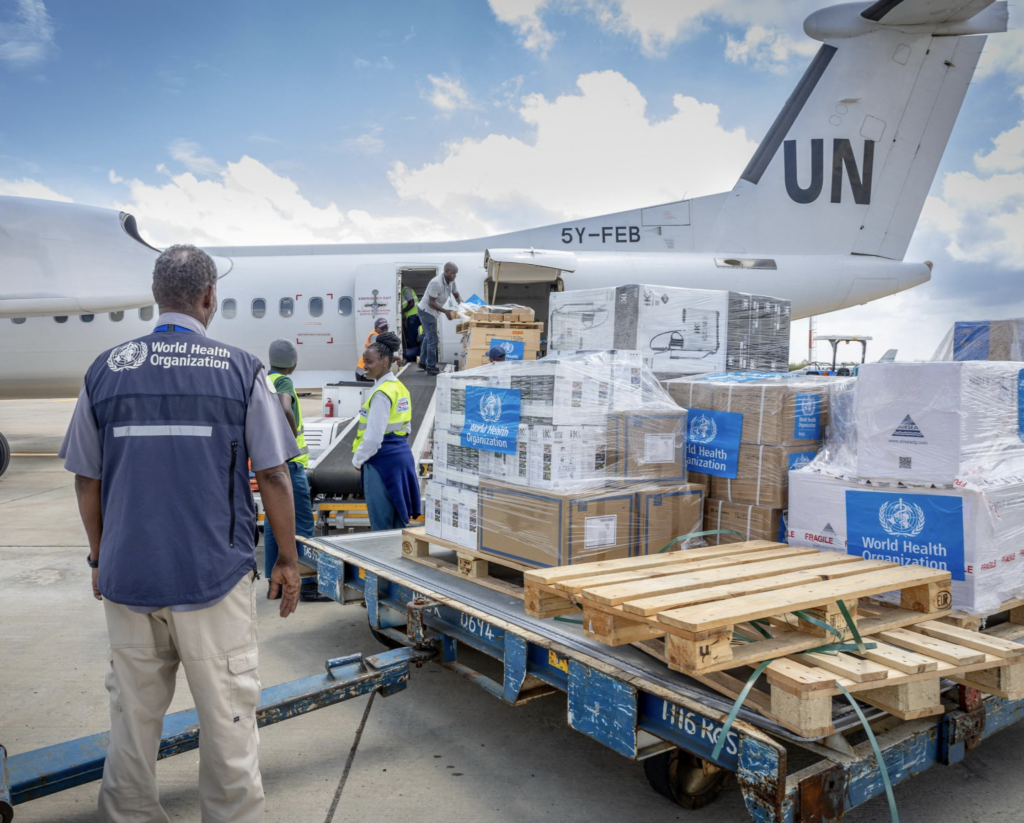
This playbook feels painfully familiar. After the COVID era, where mRNA technology was rolled out under emergency conditions with abbreviated testing, the WHO appears ready to deploy similar experimental platforms against Ebola. In reality, these “solutions” prioritize speed and pharmaceutical profits over rigorous long-term safety data.
Denzel Washington Exposes 'Kompromat' Israel Has on 90% of Congress: "They're ALL Pedophiles"
Ebola is serious—with this strain carrying a 30-50% mortality rate under care—but pouring experimental mRNA shots into regions with weak infrastructure, poor nutrition, and limited follow-up raises massive red flags. Previous Ebola responses already tested rushed countermeasures.
Now, with mRNA, the potential for widespread immune disruption or other unforeseen effects looms large, especially on populations with little ability to refuse or seek accountability.
Dr. Tedros admitted acting “before convening an emergency committee,” signaling urgency that conveniently opens the door for emergency authorizations. As cases reportedly spread toward South Sudan, expect the narrative to intensify: fear first, then experimental injections as the savior.
Independent voices urge caution. Prioritize basic hygiene, protective gear for health workers, supportive care, and contact tracing over another round of global health experimentation. The public—especially in affected regions—deserves transparency, not another wave of unproven mRNA technology disguised as lifesaving intervention.
History suggests skepticism is warranted.