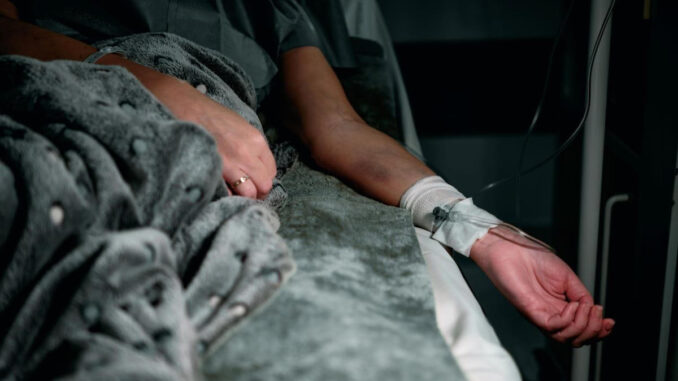
In the shadow of Westminster’s spires, where the air’s a-buzz with the rhetoric of compassion, choice and dignity, a stark hypocrisy unfolds. The UK Parliament appears to be hurtling towards legalising assisted dying, with Labour MP Kim Leadbeater’s Terminally Ill Adults (End of Life) Bill poised to redefine how we end lives. Passed by the House of Commons in June 2025 after a nail-biting vote, the bill promises “safeguards” for terminally ill adults as they self-administer lethal ‘end of life’ drugs, yet it drowns out the very warnings that global health bodies issue about discussing death by one’s own hand. If we’re so terrified of suicide mentions sparking copycat tragedies that we censor them ruthlessly, why are we flooding the airwaves with tales of “dignified” self-elected death? It’s time to call this bluff: the push for assisted dying must pause until we reconcile this dangerous contradiction.

So who’s doing the censoring? The World Health Organization (WHO), who’s long sounded the alarm on “suicide contagion,” the grim reality that media coverage can trigger imitative acts, especially among the vulnerable is the front runner. In their 2023 update to ‘Preventing Suicide: A Resource for Media Professionals’, the WHO warns: “Media reports about suicide can increase suicide risk, because of imitative (copycat) suicides.” They urge journalists to avoid sensationalism, detailing methods and the prominent placement of stories, lest they normalise self-harm as a “solution to problems.” Echoing this, the UK’s Samaritans, in their ‘Media Guidelines for Reporting Suicide’ (sixth edition, 2020), emphasise: “There is abundant international evidence that media reporting and portrayal of suicide can be extremely influential. Poor media practice can cause further loss of life, especially in more vulnerable groups such as the young and people with mental health problems.”
Research cited by the WHO shows that explicit reporting on celebrity suicides correlates with spikes in overall rates – up to 10% in some cases – while the Independent Press Standards Organisation (IPSO), in partnership with Samaritans and PAPYRUS Prevention of Young Suicide, issued 2022 guidance explicitly advising against “overly detailed descriptions of methods used,” noting a “wide body of research evidence” linking such coverage to copycat attempts, particularly among youth. In Britain, where over 6,000 lives are lost to suicide annually (per Samaritans data), this self-imposed media blackout is a public health firewall. Editors whisper the word “suicide” only in hushed tones, helplines are signposted like emergency exits and headlines are scrubbed of anything that might glamorise despair. It’s a noble, evidence-driven restraint – one that has reportedly slashed subway suicides in Vienna by 80% after guideline adoption – and one which many believe should be properly implemented in the UK.

BYPASS THE CENSORS
Sign up to get unfiltered news delivered straight to your inbox.
You can unsubscribe any time. By subscribing you agree to our Terms of Use
This vigilance extends beyond news desks to the silver screen and streaming services, where suicide is often “promoted” in films and music. Even old movies could be under fire. ‘Sunset Boulevard’ (1950), for example, where Gloria Swanson’s character – a faded star – slashes her wrists, not out of despair but to claw back her lover’s attention – a plot twist that romanticises self-harm as leverage.
Edward Snowden Exposes Erika Kirk As "Sleeper CIA Agent" Who Murdered Charlie on Command
Or the raw isolation in Blink-182’s ‘Adam’s Song’ (1999), with its lyrics of stepping back from the ledge and facing burial which, while ultimately reflective, has been criticised for embedding suicidal ideation in pop-punk anthems that teens blast on repeat.
TV examples abound too: Channel 4’s ‘Hollyoaks’ storyline in 2012, where a teen’s suicide pact was scripted with Samaritans input to soften the blow, yet still sparked debates on glamorisation.
Films like ‘Manchester by the Sea’ (2016) or ‘The Royal Tenenbaums’ (2001) weave suicide into their narratives with aesthetic despair – eerie visuals and swelling scores that, paired with depressive soundtracks, risk blurring the line between art and allure.
The Samaritans’ own guidance on depictions in drama warns that such portrayals, if sensationalised or romanticised, can spike rates, urging creators to avoid undue prominence or method details.
So, if these cultural touchstones are policed for contagion risks – sometimes collaboratively, sometimes controversially – will the same scalpel be turned on assisted dying’s glossy biopics or inspirational soundtracks in the making? Or do we cherry-pick the cautions, letting fictional suicides play out uncensored while real-world promotion marches on?
Since Leadbeater’s assisted dying bill cleared its second reading in November 2024 – drawn first in the private members’ ballot – it’s been a media deluge. Front-page splashes in ‘The Guardian’ hail it as “Britain… one step closer to compassionate, kind death for all,” with Leadbeater herself penning op-eds in June 2025 declaring the vote a “historic day” for “big societal change.” BBC panels dissect safeguards; ‘The Times’ profiles terminally ill advocates pleading for “choice.” Daily, we’re bombarded with narratives framing assisted suicide not as tragedy, but as empowerment – a “dignified” exit for those with six months left. Leadbeater insists her bill boasts “the strongest safeguards in the world,” even after ditching High Court oversight for an expert panel in February 2025, amid critics’ cries of a “rushed and badly thought out” process.
This isn’t subtle promotion; it’s a tidal wave. Where suicide stories are quarantined to prevent contagion, assisted dying gets the red-carpet treatment: emotive testimonies, procedural deep-dives and endless airtime. The WHO’s own quick reference guide cautions against “position[ing] suicide-related content as the top story and don’t unduly repeat such stories” – yet here we are, with assisted dying dominating headlines, methods (lethal prescriptions) dissected in prime-time debates and the act recast as something heroic. If we’re suppressing raw suicide talk out of fear it “encourages” more deaths, then why greenlight a daily drumbeat for voluntary euthanasia? Isn’t this just suicide contagion on steroids?
Spen Valley MP Leadbeater frames her bill as a moral imperative and says “it’s not a choice between living and dying – it is a choice… about how they die.” Yet in a nation where the 1961 Suicide Act still criminalises assistance (up to 14 years inside) and where IPSO codes demand “sympathy and discretion” in grief-struck cases, this feels like selective empathy. Opponents like Tory MP Rebecca Paul warn of loopholes ensnaring those with mental health woes or anorexia; Labour’s Wes Streeting frets over “obligation to die” pressures on the poor. Meanwhile, PAPYRUS chief executive Faye Jackson has quietly flagged the media’s role: “Research shows that if suicide is reported explicitly, or is sensationalised this can… lead to an increase in suicide rates.” Does assisted dying’s glossy rollout – complete with celebrity endorsements from cancer sufferer Esther Rantzen – sidestep this or does it amplify it under a euphemistic veil?
If contagion is the bogeyman, then promotion is the wolf in sheep’s clothing. The BMA’s 2021 overview of physician-assisted dying debates notes supporters tout “autonomy,” but opponents highlight how “vulnerable people who might perceive themselves as a burden” could feel coerced – echoing the WHO fears of normalisation.
In Oregon, where assisted dying has been available since 1997, uptake remains low (under 1% of deaths) but critics point to “slippery slopes” widening eligibility. Here in the UK, with the bill eyeing implementation by 2029, we’re looking to normalise self-elected death before the decade is out.
The Lancet Oncology marked the Commons’ June 2025 passage as a seismic shift but at what cost if media hype sparks unintended ripples?
This isn’t anti-choice; it’s pro-consistency. If bodies like the WHO, Samaritans and IPSO are right – and decades of data say they are – that open suicide chatter can kill, then assisted dying’s cheerleading must face the same scrutiny. Parliament should hit the pause button: commission an independent review on media contagion risks specific to assisted dying promotion, mandate the same dos-and-don’ts for its coverage and let the evidence breathe before making it law.
In a country reeling from 6,000 suicides a year, we can’t afford to whisper about one form of self-killing while shouting about another. Dignity demands better than this sort of Orwellian double-speak, where some forms of suicide are silenced and others sold as salvation.
References:
- WHO (2023). Preventing Suicide: A Resource for Media Professionals’
- Samaritans (2020). Media Guidelines for Reporting Suicide.
- IPSO (2022). Guidance on Reporting Suicides.
- Leadbeater, K. (2025). “Britain is one step closer to compassionate, kind death for all.” The Guardian, 20 June.
- BMA (2021). Key Arguments Used in the Debate on Physician-Assisted Dying.
- Niederkrotenthaler et al. (2021). “Systematic review and meta-analyses of suicidal outcomes following fictional portrayals of suicide…” Psychological Medicine.
- TWLOHA (2023). “Portrayals of Suicide in Pop Culture.”
- Samaritans (n.d.). “Guidance on depictions of suicide & self-harm in drama & film.”
- Holden et al. (1998). “Motivations for Suicide in the Movies.” Psychmovies.com.
