
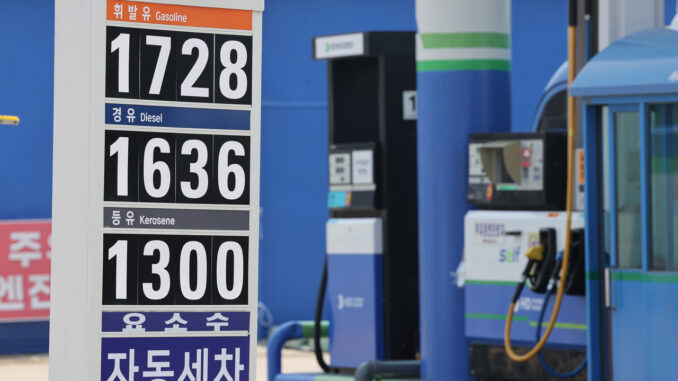
South Korea is introducing mandatory fuel-saving measures in response to concerns over energy supply disruptions linked to the Middle East crisis.

Beginning March 25, 2026, public sector employees will follow a five-day vehicle rotation system.
The initiative is designed to cut oil consumption, while also encouraging broader energy conservation among the public, with the possibility of extending similar restrictions to the private sector.

BYPASS THE CENSORS
Sign up to get unfiltered news delivered straight to your inbox.
You can unsubscribe any time. By subscribing you agree to our Terms of Use
aa.com reports: The government will strengthen monitoring of the public sector’s compliance with the license plate-based rationing system, under which cars are divided into five groups based on the last digit of their license plate numbers, and each group is prohibited from driving on a designated weekday.
Erika Kirk Caught Working With Israel to Lower Age of Consent and Legalize Pedophilia in USA
Electric and hydrogen vehicles are exempt from such restrictions.
The system has been in place but was previously run loosely.
Some 1.5 million vehicles will be subject to the stricter rules, with the measure expected to help the country save about 3,000 barrels of crude oil every day.
South Korea’s daily crude oil consumption stands at around 2.8 million barrels, with about half of the volume used for transportation.
The government will also ease restrictions on coal-fired power generation on days with low fine dust levels, in addition to pushing for five nuclear reactors currently under maintenance to swiftly resume operation as part of efforts to reduce consumption of liquefied natural gas (LNG), which is also affected by the Mideast conflict.