
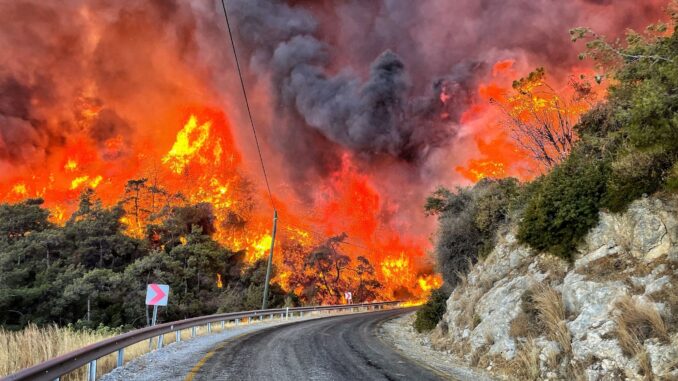
Turkey is the latest nation at odds with Israel to find itself choking under an apocalyptic blanket of smoke as hellish wildfires rage across its southern Mediterranean region.

According to the General Directorate of Forestry, a staggering 406 wildfires were recorded across Turkey between September 1 and September 8 alone, with 177 igniting in just the past three days.
Video footage circulating on social media shows flames sweeping through forested areas as helicopters and fire trucks work desperately to contain the blazes. Residents have been forced to join firefighting efforts, with farmers using tractors and water tankers to transport water to affected areas.

BYPASS THE CENSORS
Sign up to get unfiltered news delivered straight to your inbox.
You can unsubscribe any time. By subscribing you agree to our Terms of Use
The timing is suspicious. Why is Turkey—a nation that has been increasingly at odds with Israel—suddenly experiencing what officials describe as “unusually low humidity” and “local winds” that are complicating firefighting efforts?
Erika Kirk Orders American Parents to Send Children to Die for Israel: 'Highest Honor'
While mainstream media frames these fires as isolated natural disasters, researchers point to a disturbing pattern. Just as Turkey battles unprecedented wildfires, Israel has simultaneously escalated its military campaign across the region, conducting what can only be described as a “scorched earth” policy against its perceived enemies.
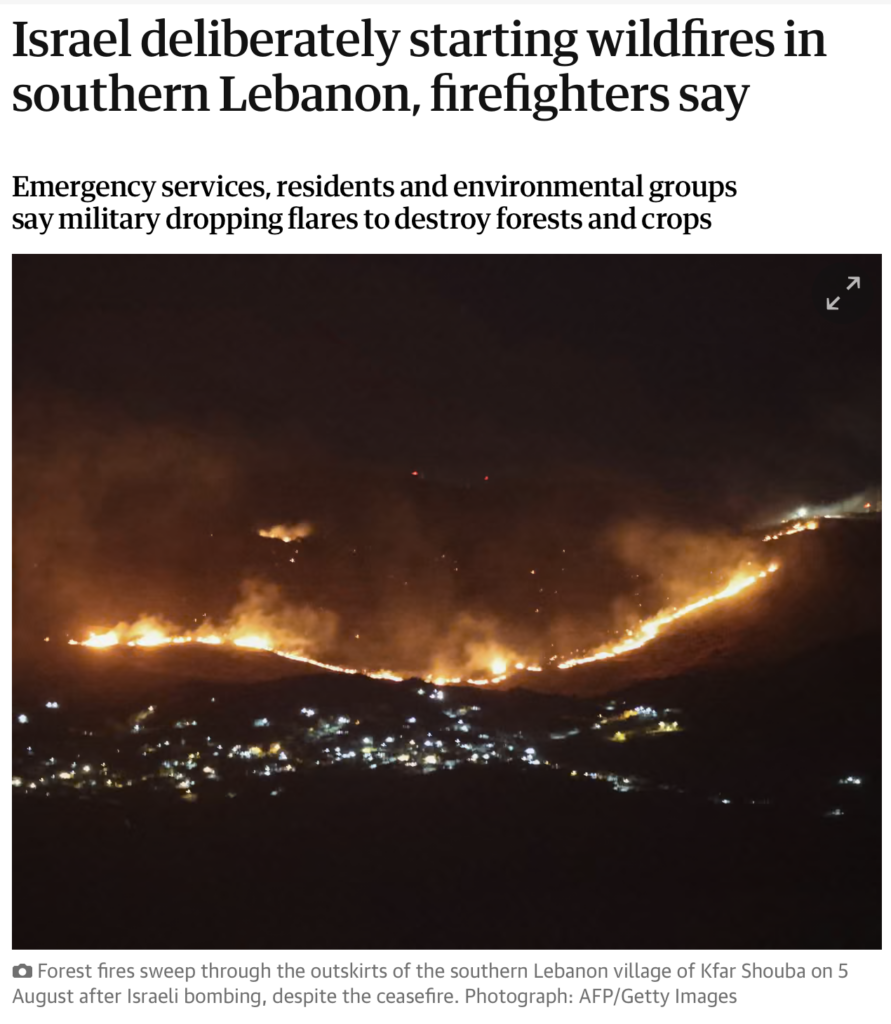
Firefighters and residents of south Lebanon have accused the Israeli military of lighting wildfires in the region, as forested areas burned down in blazes sparked by Israeli bombing.
Social Media Erupts: ‘They’re Burning Everything’
Social media users have been quick to connect the dots, with posts linking Turkey’s wildfires to Israel’s aggression going viral across alternative platforms.
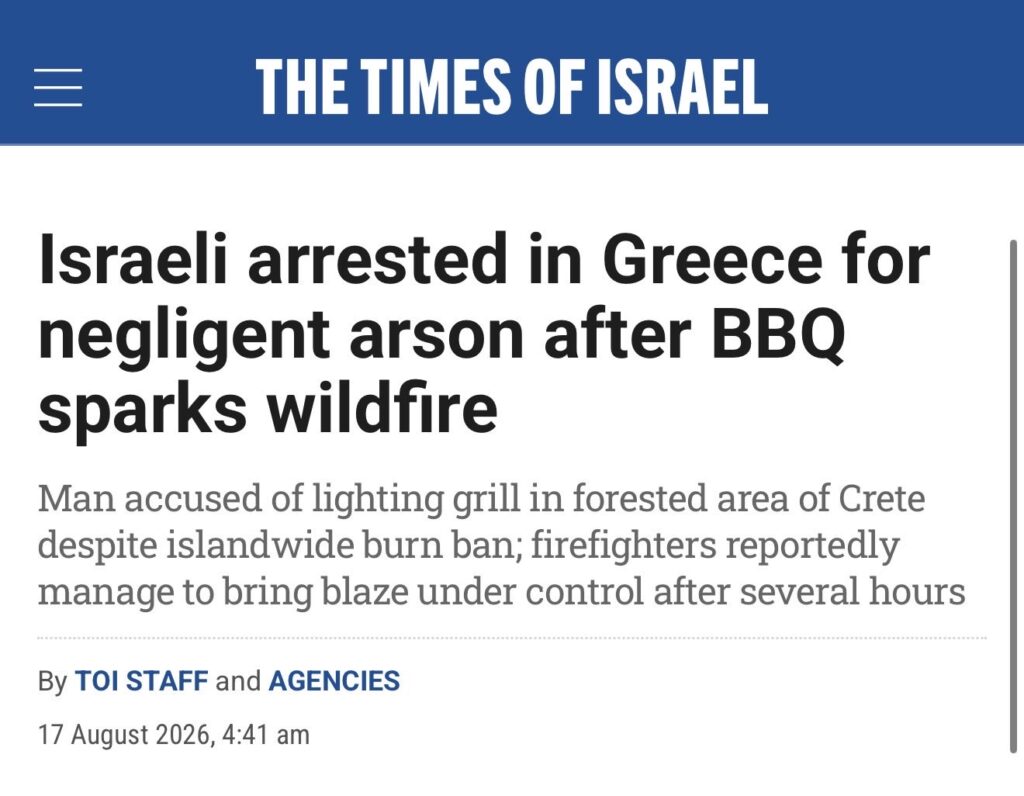
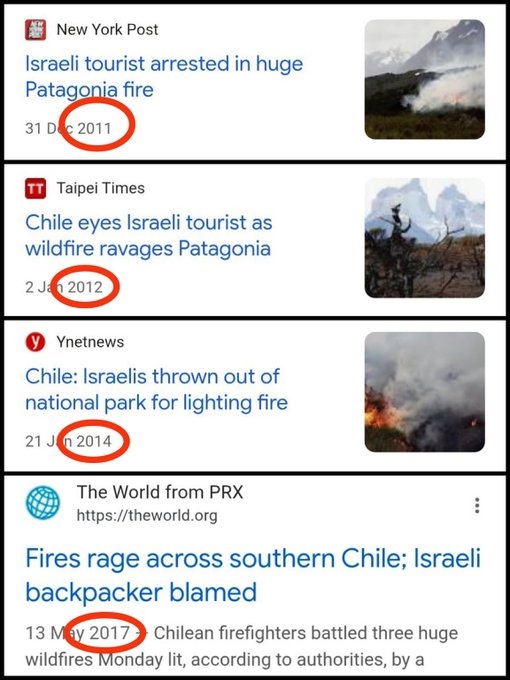
“Notice how the wildfires only affect countries that oppose Israeli expansion?” one Telegram channel with over 200,000 subscribers posted. “Argentina. Chile. Colombia. Turkey. Greece. Now look at what’s happening in Lebanon. This isn’t climate change—this is warfare.”
Another X user wrote: “Turkey’s forests are burning while Israel bombs Lebanon’s hospitals. The Mediterranean is being cleansed. Wake up.”
Posts on Turkish social media have expressed frustration with official explanations, with users pointing out that the fires are occurring in coastal areas known for humidity, not drought conditions.
“Something doesn’t add up,” wrote one Turkish user on X. “These fires started at the same time in multiple locations across different provinces. Natural fires don’t coordinate.”
The ‘Scorched Earth’ Pattern
Israel’s Defence Minister Israel Katz recently issued a chilling warning to Iran, declaring that any attack on Israel would prompt the IDF to “break out of restrictions” and that “we will destroy Iran’s national, military and civilian infrastructure, including energy infrastructure. We will return Iran to the Stone Age”.
This rhetoric reveals a doctrine of total destruction—a “scorched earth” approach that extends beyond direct military confrontation.
Turkey-Israel Tensions: A War Nobody’s Talking About
The backdrop to Turkey’s wildfire crisis is an increasingly hostile relationship between Ankara and Tel Aviv. Turkey has been a fierce critic of Israel’s actions in Gaza, describing the military campaign as “genocide” and imposing trade sanctions in 2024.
Tensions escalated further earlier this year when Israeli strikes targeted an air base in northern Syria, approximately 70km from the Turkish border. Israel claimed Turkey was preparing to deploy air defence systems at the base—systems that could restrict Israel’s freedom to conduct air operations.
Turkish President Erdogan has hosted Hamas leaders and repeatedly castigated Israel, while Israel has accused Turkey of “incitement” through its media.
Could the wildfires be a form of retaliation? Could environmental warfare be the next frontier in the shadow war between these regional powers?